



Full Mouth Rehabilitation Training for Dentists
Full mouth rehabilitation stands out as one of the most sophisticated procedures in restorative dentistry, as it involves not only the restoration of single or multiple teeth but the entire oral function. A successful full mouth rehabilitation can be both prosthodontic, occlusion-driven, esthetic, require implants, periodontal support, and have various other considerations. The Full Mouth Rehabilitation course for Dentists will help take the guesswork out of complex cases, allowing dental professionals to plan and execute each stage with confidence.
Why Full-Mouth Rehabilitation Cases Require Extra Training
A typical restorative case can involve restoring one or two teeth; a full mouth rehabilitation case usually presents several challenges for the dentist all at once. Patients can come in with worn teeth, missing teeth, fractured restorations, periodontal disease, dysfunctional bites, esthetic concerns, and decreased chewing capacity. It is the dentist’s responsibility to recognize the interaction and interrelationships of the various etiologies before initiating treatment. It is crucial for the dentist to receive advanced training to be able to analyze the patient holistically rather than approaching the case piecemeal, which can help streamline the treatment process and reduce overall complexity.
Master Comprehensive Treatment Planning
It is important to highlight that treatment planning is the cornerstone of any successful rehabilitation. Ideally, a good educational program will help participants go over the key diagnostic steps required to develop a successful treatment planning strategy. The dentist can review the appropriate clinical examination, photographs, X-rays, models, digital scans, periodontal assessment, occlusal analysis, and patient expectations. They can then proceed to determine the priority issues and address them one by one. It is not uncommon for complex cases to require split-mouth treatment planning. An educational program can help the dentist create short- and long-term treatment plans, discuss relevant procedures, and communicate them effectively.
Strengthen Prosthodontic Knowledge and Execution Ability
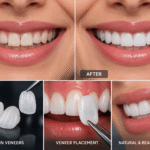
Prosthodontics plays a significant role in full-mouth rehabilitation, as it involves crowns, bridges, veneers, dentures, and various other restorative treatments. It is recommended that dentists take the appropriate steps to master prosthodontic principles, such as crown preparation, restorative materials, provisional restorations, impressions, communication with the lab, and final restoration. It is important for the dentist to be able to understand the lab’s role in the rehabilitation process. By reviewing key concepts, a comprehensive educational experience can help improve communication and collaboration, resulting in better esthetic and functional outcomes.
Understand Occlusion, Function, and Stability Principles
Occlusion is one of the most technically demanding aspects of full-mouth rehabilitation, and a lot of dentists fail to account for it, which can result in an uncomfortable bite or lack of stability in the restored teeth. An educational program can help the dentist get a thorough understanding of centric relation, maxillary intercuspation, vertical dimension, mandibular movements, anterior guidance, posterior contacts, parafunctional activity, and other occlusal considerations. The dentist should realize that the primary objective is not to make beautiful teeth but rather create functional teeth in a harmonious occlusion with the mandible and temporomandibular joint.
Learn to Manage Complex Cases
It is one thing to read about full-mouth rehabilitation in books or watch lectures online, but real-life experience is what separates the novice from the expert clinician. A comprehensive educational experience should include complex case studies that can challenge the dentist and broaden their understanding of full-mouth rehabilitation. Such cases can include severely worn dentition, extensive tooth loss, compromised occlusion, esthetic concerns, and a combination of restorative and implant needs. In addition, it is important for dentists to discuss difficult cases to better understand the relative indications and risks of various treatment options and be able to weigh them against individual patient considerations.
Develop a Step-by-Step Clinical Protocol
A step-by-step approach is essential when it comes to full-mouth rehabilitation because it allows the dentist to break down the complex treatment sequence into manageable segments. An educational program can help the dentist cover the key aspects of treatment, such as diagnosis, treatment planning, disease management, preliminary treatment, provisionalization phase, definitive treatment, and maintenance. It is also important for the dentist to be able to document the findings at each stage of treatment completion. The step-by-step protocol can help facilitate communication with colleagues, technicians, and patients.
Build Confidence Through Hands-On Experience
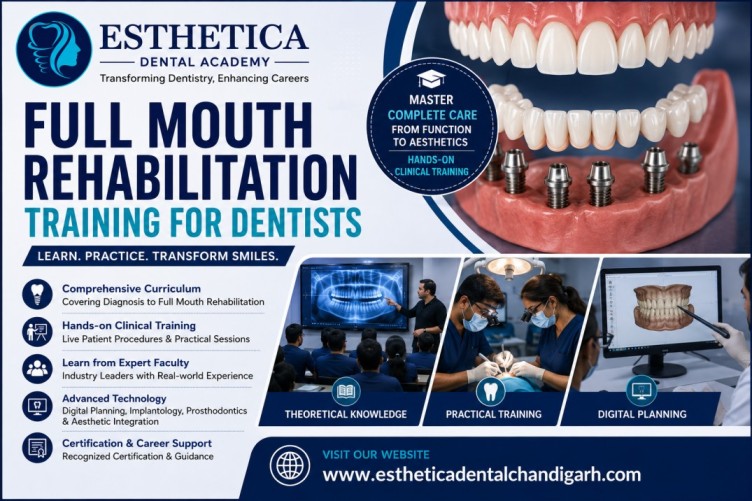
Confidence-building is one of the most important aspects of any advanced training program. Ideally, such programs should have hands-on components, including excercises, articulator work, case planning, mock-ups, provisionalization, digital planning and impressions, and restoration. Clinical case discussions can help the dentist apply theoretical knowledge to the actual cases and highlight the benefits of each practical step. Supervised hands-on experience is essential for building confidence, as it allows the dentist to see beyond the textbook and notice finer details they may have otherwise missed.
Who Can Benefit From Such Training?
Full-mouth rehabilitation training can be beneficial for general dentists, restorative dentists, prosthodontists, and others looking to improve their ability to handle complex restorative cases. There is no one-size-fits-all approach, but ideally, the candidate should identify the level of training based on their prior experience. It is essential for the dentist to choose the program that offers the right balance of expertise, curriculum, practical experience, case studies, and other learning tools. The ongoing education is paramount, as new materials, technologies, and treatment methodologies emerge on a regular basis.
Transform Complex Cases Into Confident Clinical Scenarios
Full-mouth rehabilitation requires patience, precision, collaboration, and planning, as the dentist has to consider multiple aspects of each individual case. The Full Mouth Rehabilitation course for Dentists can help take the guesswork out of treatment planning by providing the dentist with the appropriate framework needed to execute each step of the treatment with confidence.
By focusing on treatment planning, prosthodontics, occlusion, implants, and complex case management, the educational program can help participants take their clinical skills to the new level and improve their ability to handle complex cases. Regardless of the course, it should be kept in mind that the ultimate goal of education should be providing safe and effective treatment for the patient. As such, it is essential for the dentist to realize the limits of their training, collaborate when necessary, and continue to build on their clinical skills through hands-on experience and continued education.
Frequently Asked Questions
1. What is full mouth rehabilitation training?
Full mouth rehabilitation training refers to the educational experience required to diagnose and treat complex cases involving the restoration of multiple teeth. A comprehensive program will typically cover treatment planning, prosthodontics, esthetics, occlusion, and implants.
2. Who should consider this training?
Depending on the level of the program, full mouth rehabilitation can be beneficial for general dentists and those looking to specialize in restorative, prosthodontic, and implant dentistry.
3. Does the course include occlusion?
Yes, ideally, a full-themouth rehabilitation training program should cover the principles of occlusion.
4. Are implants included in full-mouth rehabilitation training?
Yes, most programs offer training in implant planning and restoration. The dentist can learn how to incorporate implants into the wider treatment plan.
5. Why is treatment planning important in complex cases?
Treatment planning is essential, as it will help the dentist prioritize key issues and determine the most effective way to address them one by one.
6. Is hands-on training necessary in full-mouth rehabilitation?
Hands-on experience can help reinforce theoretical knowledge and familiarize the dentist with the relevant instruments and materials.
7. Can such training prepare me for every complex case?
No, it is important for the dentist to understand their limitations and seek advice when necessary.