








Implant Tips for Beginners
Choosing dental implants for the first time can feel like a big decision. These Implant Tips for Beginners can help you understand the treatment journey, from your first dental consultation to recovery and long-term care. If you are dealing with a missing tooth, learning how implants work, what affects treatment costs, and how to choose the right dental professional can help you make a more informed decision.
Dental implants have become a popular tooth replacement option because they are designed to provide stability, function, and a natural-looking appearance. However, every patient is different. Your jawbone, gum health, lifestyle, oral hygiene, and overall health can all influence whether implant treatment is suitable for you.
What Are Dental Implants and How Do They Work?
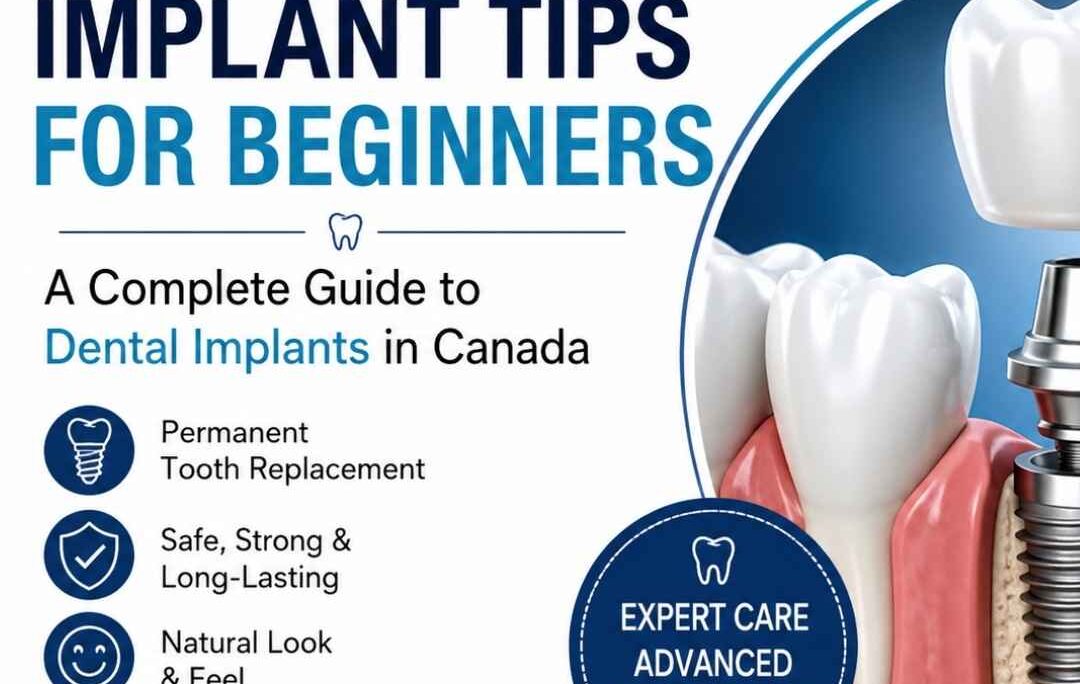
A dental implant is an artificial tooth root that is placed into the jawbone to replace the root of a missing tooth. Most implants are made from titanium or other biocompatible materials that are designed to work with the body’s tissues.
After placement, the implant needs time to integrate with the surrounding bone. This process, known as osseointegration, creates a stable foundation for the replacement tooth.
Once healing is complete, an abutment is attached to the implant, followed by a custom-made crown. The finished restoration is designed to restore the appearance and function of the missing tooth.
Unlike removable dentures, implants are fixed in the mouth. They can help improve chewing, support a balanced bite, and provide a long-term solution for suitable patients.
Implant Tips for Beginners: What Should You Know Before Treatment?
1. Start With a Professional Consultation
A detailed dental consultation should be the first step. Your dentist will examine your gums, remaining teeth, bite, jawbone, and overall oral health before recommending an implant.
Digital X-rays or 3D imaging may be used to assess bone volume and identify the ideal position for implant placement. This information helps the dental team create a treatment plan based on your individual needs.
Use this appointment to ask questions. Find out about the expected timeline, restoration options, healing period, possible additional procedures, and estimated total cost.
2. Choose a Qualified and Experienced Dentist
Price should not be the only factor when choosing an implant provider. Dental implants are a long-term investment, so experience, qualifications, treatment planning, and follow-up care are equally important.
Ask your dentist about their experience with cases similar to yours. You can also ask which implant system is recommended and what type of crown will be used.
For Canadian patients, checking that the dental professional is properly licensed in the province or territory where treatment will take place is an important part of making an informed choice.
3. Understand the Complete Dental Implant Procedure
Understanding the stages involved can make treatment feel less stressful. The dental implant procedure generally begins with consultation, examination, imaging, and personalized treatment planning.
If you are a suitable candidate, the implant is placed into the jawbone. A healing period then allows the implant to become integrated with the surrounding bone.
After successful healing, the abutment and final crown can be placed. The overall timeline differs between patients and may depend on bone quality, implant location, healing ability, and whether additional procedures are needed.
4. Pay Attention to Jawbone Health
Adequate bone support is important for implant stability. When a tooth has been missing for a long time, the surrounding jawbone may gradually lose volume.
If there is not enough bone, your dentist may discuss bone grafting as part of your treatment plan. For some upper-jaw cases, a sinus lift may also be considered.
These procedures are not required for every patient. Proper imaging and a professional assessment will determine whether your jawbone provides suitable support for an implant.
5. Get Your Gums Healthy First
Healthy gums are an important part of successful implant care. Gum disease, inflammation, or untreated infection may affect the tissues supporting an implant.
Before treatment, your dentist may recommend addressing existing gum problems. Maintaining good oral hygiene afterward is equally important.
Brush twice daily, clean between your teeth, and attend regular dental appointments. A consistent oral hygiene routine can help protect both your natural teeth and the tissues around the implant.
6. Be Honest About Smoking
Smoking can interfere with normal healing and may increase the risk of complications following implant surgery. If you smoke or use tobacco products, tell your dental professional before treatment.
Your dentist can explain how tobacco use may affect your individual situation and provide recommendations for supporting the healing process.
Being honest about lifestyle habits allows your dental team to plan treatment more appropriately and give you realistic advice.
What Is Recovery Like After Implant Surgery?
Recovery varies from person to person. Mild swelling, tenderness, or discomfort may occur during the first few days following surgery.
Your dentist may recommend soft foods for a short period and advise you to avoid unnecessary pressure on the treatment area. You should also follow the specific instructions provided for cleaning and protecting the surgical site.
Do not rush the healing process. The implant needs sufficient time to integrate with the jawbone before the final restoration is attached.
If you experience severe, persistent, or worsening symptoms, contact your dental professional promptly rather than attempting to manage the issue yourself.
How Can You Protect Your Implant for the Long Term?
Good maintenance is essential after treatment. Although an implant itself cannot develop tooth decay in the same way as a natural tooth, plaque and bacteria can still affect the gums and bone around it.
Brush your teeth twice a day with a soft-bristled toothbrush and clean between your teeth every day. Your dentist may recommend floss, interdental brushes, or other cleaning tools depending on your needs.
Regular dental examinations are also important. These appointments allow your dentist to check the implant, crown, gums, bite, and surrounding teeth.
Good implant treatment does not end when the crown is fitted. Long-term maintenance and professional monitoring are important parts of protecting your investment.
What Are the Benefits of Dental Implants?
Dental implants can offer several advantages for people with missing teeth. One of the main benefits is stability because the implant is anchored into the jawbone rather than resting on the gums.
A properly planned implant crown can also be designed to match your surrounding teeth. Shape, colour, size, and positioning can all be considered when creating the final restoration.
Implants may improve chewing and speaking compared with some removable tooth replacement options. They can also provide a fixed solution for patients who prefer not to rely on removable dentures.
Another potential advantage is support for the jawbone. Because the implant replaces the root portion of a missing tooth, it can provide stimulation to the surrounding bone.
How Much Do Dental Implants Cost in Canada?
Dental implant costs in Canada can vary significantly. The final price may depend on the number of implants required, type of restoration, diagnostic imaging, laboratory fees, location, and the complexity of treatment.
Additional procedures, such as bone grafting, may increase the overall cost. This is why patients should request a detailed treatment estimate rather than relying on a single advertised price.
Dental insurance coverage also differs between plans. Some policies may provide benefits toward certain parts of tooth replacement, while implant-related coverage may be limited.
Before beginning treatment, ask your dental office for a breakdown of the expected costs and check your insurance benefits. This can make financial planning much easier.
Are Dental Implants Right for Everyone?
Dental implants can be suitable for many adults with missing teeth, but they are not automatically the best option for everyone.
Your dentist will consider factors such as jawbone health, gum condition, oral hygiene, general health, medications, smoking habits, and your ability to heal properly.
Age alone does not necessarily prevent someone from receiving an implant. A professional assessment is much more useful than relying on age as the deciding factor.
Patients who have insufficient bone or untreated gum problems may need additional treatment before implant placement can be considered.
What About Searching for Dental Implants in Different Locations?
Patients researching treatment online may come across searches such as dental implants Mohali, dental implants Canada, or other location-specific terms. Search results can vary depending on where a person lives and the type of treatment they are researching.
For Canadian patients, the most important consideration is choosing a properly qualified dental professional who understands local regulations, treatment standards, and patient needs.
Regardless of location, patients should compare qualifications, treatment planning, experience, aftercare, and the complete cost rather than choosing a clinic based only on an attractive advertisement.
Common Mistakes Beginners Should Avoid
One of the most common mistakes is choosing treatment solely because it appears inexpensive. A lower advertised price may not include imaging, the implant, abutment, crown, follow-up appointments, or additional procedures.
Another mistake is ignoring oral hygiene after treatment. Even a successful implant requires regular cleaning and professional monitoring.
Some patients also expect immediate results. Implant treatment often involves several stages, and biological healing takes time. Following the recommended timeline can support a more predictable outcome.
Finally, never hesitate to ask questions. A good dental implant guide should help you understand your options, but your own dentist should provide advice based on your specific oral health.
A Message from Dr. Sharad Arya, Founder – Esthetica Dental Academy
When I started Esthetica Dental Clinic in 2012, my vision was simple — to combine clinical excellence with genuine patient care. Over the years, as our practice grew across Punjab, Himachal, and Chandigarh, I realized that the biggest gap in Indian dentistry wasn’t a lack of talent, but a lack of accessible, hands-on implant training for practicing dentists.
That’s why we built Esthetica Dental Academy — not as another certificate mill, but as a mentorship-driven program where dentists actually work on live cases, under supervision, until they’re confident enough to do it on their own. I’ve seen BDS graduates walk in unsure of their surgical skills and walk out ready to plan and execute full-arch implant cases independently.
If you’re serious about growing your implant practice, I’d encourage you to invest in training that prioritizes real clinical exposure over theory alone. That’s the philosophy behind everything we teach here.
— Prof. Dr. Sharad Arya, MDS
Every batch we train is small by design, because implant surgery demands individual attention, not a classroom of fifty watching a screen. Whether it’s digital implant planning, guided surgery, or full-arch rehabilitation, we make sure every participant leaves confident enough to apply it in their own practice.
Frequently Asked Questions
1. Are dental implants painful?
The implant placement procedure is generally performed using local anaesthesia, which helps prevent pain during treatment. Some swelling, tenderness, or discomfort may occur during the early recovery period.
2. How long does it take for a dental implant to heal?
Healing varies depending on factors such as bone quality, implant location, overall health, and the treatment approach. The implant may require several months to integrate with the jawbone.
3. How long can dental implants last?
With good oral hygiene, regular dental examinations, and appropriate maintenance, dental implants can provide a long-lasting tooth replacement. The implant and crown may have different maintenance or replacement timelines.
4. Can older adults get dental implants?
Yes. Age alone does not automatically prevent implant treatment. A dentist will assess bone health, gum condition, general health, medications, and healing ability before making a recommendation.
5. Can I eat normally after implant surgery?
You may need to eat softer foods temporarily after surgery. Your dentist will advise you when it is appropriate to gradually return to your normal diet and how to protect the treatment area during healing.
6. Do dental implants look like natural teeth?
Modern implant restorations can be designed to closely resemble natural teeth. The final appearance depends on the crown design, tooth colour, positioning, gum appearance, and overall treatment planning.
7. How should I care for dental implants?
Brush twice daily, clean between your teeth, attend regular dental appointments, and follow your dentist’s personalized aftercare instructions. Consistent cleaning and professional monitoring are essential for long-term oral health.
Conclusion: Make Your Implant Journey More Confident
For anyone considering tooth replacement for the first time, following these Implant Tips for Beginners can make the treatment journey easier to understand. The most important steps are choosing qualified professional care, checking your gum and jawbone health, understanding each stage of treatment, following recovery instructions, and maintaining excellent oral hygiene. Dental implants can be a reliable option for suitable patients, but the right approach should always be based on an individual assessment. For personalized guidance and professional implant care, consult Esthetica Dental Clinic to discuss the treatment option that best suits your smile, oral health, and long-term goals.