









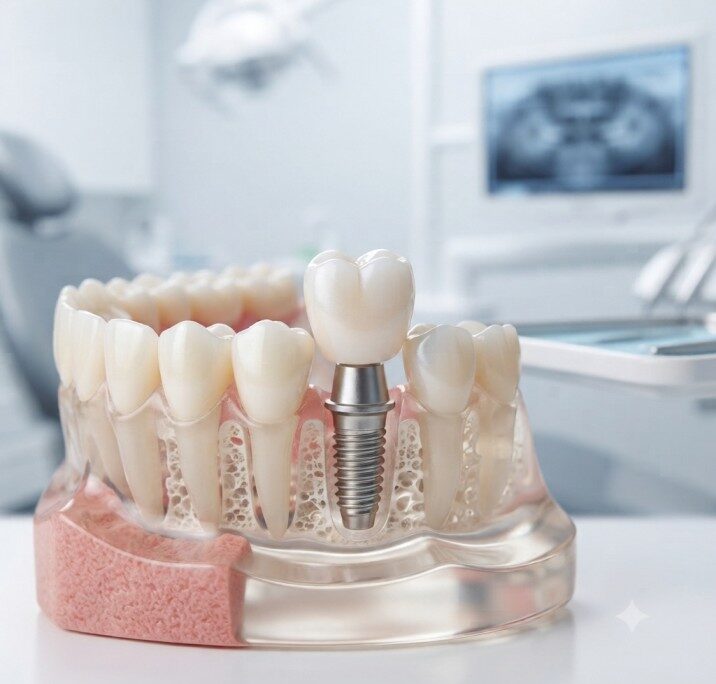
For decades, titanium has been the gold standard in restorative dentistry. It is strong, biocompatible, and has a proven track record of success. However, as aesthetic dentistry evolves and patients become increasingly conscious of the materials entering their bodies, a new contender has emerged: Zirconia. When patients ask, “Are ceramic implants the future of tooth replacement?”, they are often looking for a solution that combines long-term durability with uncompromising aesthetics and holistic health benefits.
At Esthetica Dental Chandigarh, we are committed to providing the most advanced, patient-centric dental care in the region. As we look toward the horizon of modern dentistry, we are seeing a significant shift in patient preference toward metal-free restorations. In this comprehensive guide, we will explore why ceramic (zirconia) implants are gaining popularity and whether they truly represent the next generation of tooth replacement.
Understanding the Shift Toward Ceramic
To understand why many clinicians and patients are asking, “Are ceramic implants the future of tooth replacement?”, we first have to look at the limitations of traditional materials. While titanium is highly effective, some patients express concerns regarding metal sensitivity, potential corrosion over long periods, or the aesthetic challenge of a dark metal line showing through thin gum tissue.
Ceramic implants are crafted from Zirconia—a high-strength, biocompatible ceramic material. Unlike titanium, which is a metal, Zirconia is tooth-colored, hypoallergenic, and highly resistant to plaque accumulation. For the modern dental patient at Esthetica Dental Chandigarh, the appeal is clear: you can restore your smile with a material that mimics the natural properties and appearance of your original teeth.
Why Ceramic Implants Are Gaining Traction
The rise of Zirconia as a restorative material isn’t just a trend; it is driven by several key clinical advantages. If you are researching, “Are ceramic implants the future of tooth replacement?”, consider these factors that are currently shaping the industry:
1. Superior Aesthetics
Titanium implants are grey. If a patient has a thin “biotype” (thin gums), that grey color can sometimes show through, creating a dark shadow near the gumline. Because Zirconia is naturally white, it eliminates this risk, providing a seamless transition from the crown to the gumline. This is particularly important for patients replacing front teeth where the aesthetic result is paramount.
2. Biocompatibility and Tissue Health
The body’s reaction to implant material is critical for long-term success. Zirconia is bio-inert, meaning it doesn’t cause a chemical reaction in the surrounding tissues. Studies have shown that gum tissue tends to bond exceptionally well with Zirconia, often reducing the inflammation that can sometimes occur around metal components.
3. Plaque Resistance
One of the most exciting aspects of Zirconia is that it is less prone to plaque accumulation compared to titanium. Lower plaque levels mean a lower risk of peri-implantitis—a condition where the bone around the implant becomes infected. For patients with a history of gum disease, this feature is a significant advantage.
The Role of Ceramic Implants in Holistic Dentistry
At Esthetica Dental Chandigarh, we often consult with patients who prioritize holistic or “biological” dentistry. These patients often seek to avoid metal in their bodies whenever possible. For this demographic, the question, “Are ceramic implants the future of tooth replacement?” is often answered with a resounding “yes.”
Choosing metal-free implants aligns with a philosophy of treating the body as a whole system. By utilizing materials that are chemically inert and aesthetically harmonious, we can provide a replacement that functions not just as a mechanical tool, but as a healthy extension of your own biology.
Addressing the Challenges
While the advantages are significant, it is important to have a balanced perspective. Zirconia is a ceramic, and like all ceramics, it has different physical properties than metal. Our team at Esthetica Dental Chandigarh uses the latest, high-toughness Zirconia formulations that have been engineered to withstand the forces of biting and chewing.
Historically, Zirconia implants were once-piece systems, which limited their use in complex restorative cases. Today, however, two-piece Zirconia systems have been developed, allowing dentists much more flexibility in positioning and restoration. As technology advances, the limitations that once hindered ceramic implants are rapidly disappearing, further solidifying the argument that, indeed, are ceramic implants the future of tooth replacement for many individuals.
Is This the Right Choice for You?
Not every patient is an ideal candidate for every type of implant. Factors such as your bone density, your bite alignment, your overall oral hygiene, and any pre-existing health conditions must be evaluated by a skilled practitioner.
At Esthetica Dental Chandigarh, our diagnostic process is rigorous. We use advanced 3D imaging (CBCT scans) to assess your jawbone health and determine if Zirconia is the best material for your specific case. We believe that technology should serve the patient’s unique needs, rather than a “one-size-fits-all” approach.
Frequently Asked Questions (FAQ)
Q: Are ceramic implants as strong as titanium? A: Modern Zirconia implants are designed to be extremely durable and are capable of withstanding the high chewing forces of the mouth. They are a robust, long-term solution for tooth replacement.
Q: Can anyone get ceramic implants? A: Most patients are candidates for ceramic implants. However, we must first assess your bone volume and overall gum health. During your consultation at Esthetica Dental Chandigarh, we will determine if you are a candidate.
Q: Do ceramic implants cost more than traditional ones? A: Generally, the material science and manufacturing processes for Zirconia can make these implants a premium option. Our team can discuss the specific investment involved during your initial assessment.
Q: Why do patients prefer ceramic over metal? A: The primary reasons are aesthetics (the natural white color), biocompatibility (no metal sensitivity), and resistance to plaque accumulation, which improves long-term gum health.
Q: How long do ceramic implants last? A: With proper home care and regular professional checkups at Esthetica Dental Chandigarh, ceramic implants are designed to last a lifetime, similar to the long-term success rates associated with titanium.
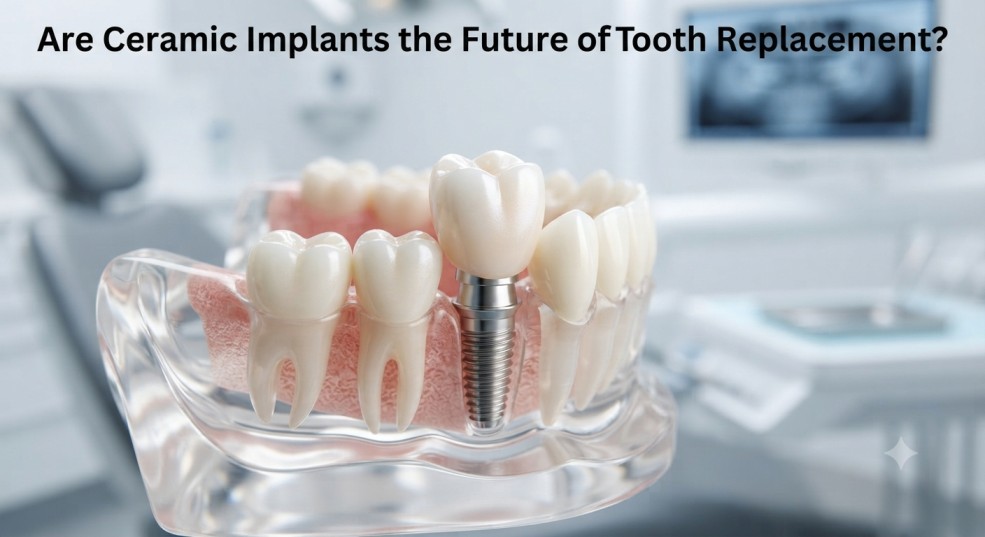
If you are ready to explore the latest in restorative dentistry, contact the team at Esthetica Dental Chandigarh. We are here to answer all your questions and help you determine if ceramic implants are the right choice for your smile.