






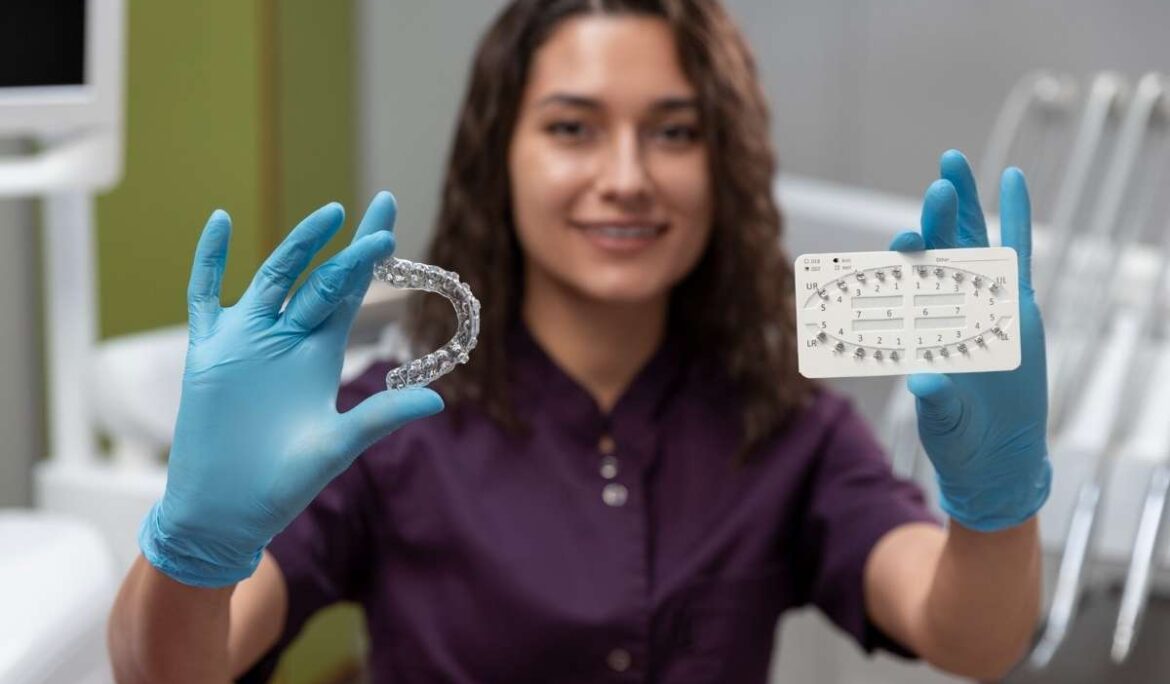
A healthy and confident smile can make a lasting impression. However, many people struggle with crooked teeth, bite problems, or spacing issues that affect both appearance and oral health. Thanks to modern orthodontic treatment, braces and clear aligners have become effective solutions for correcting these concerns. But how do you know when it is time to consider braces or aligners? Understanding the signs can help you make the right decision for your dental health.
Understanding Braces and Aligners
Braces and aligners are orthodontic treatments designed to gradually move teeth into their ideal positions. Traditional braces use brackets and wires, while clear aligners are transparent removable trays customized for your teeth. Both options aim to improve alignment, bite function, and overall smile aesthetics.
Orthodontic treatment is no longer limited to teenagers. Adults are increasingly choosing clear aligners and modern braces to achieve healthier and more attractive smiles. With advancements in dental technology, treatment has become more comfortable and discreet than ever before.
Signs You May Need Braces or Aligners
One of the most common indicators is crowded or overlapping teeth. When teeth do not have enough space, they can become difficult to clean properly. This increases the risk of plaque buildup, cavities, and gum disease. Braces or aligners can create proper spacing and improve oral hygiene.
Another sign is noticeable gaps between teeth. While some gaps may seem harmless, excessive spacing can affect bite function and aesthetics. Orthodontic treatment helps close these spaces, creating a more balanced and attractive smile.
Difficulty Biting or Chewing Food
If you experience discomfort while biting or chewing, it may be due to an improper bite alignment. Conditions such as overbite, underbite, crossbite, and open bite can place unnecessary stress on the teeth and jaw. Over time, these issues can lead to tooth wear and jaw pain.
Braces and aligners are designed to correct bite problems and improve the way your upper and lower teeth come together. Proper bite alignment enhances both function and long-term oral health.
Frequent Jaw Pain or Clicking Sounds
Persistent jaw discomfort or clicking sounds when opening and closing your mouth may indicate alignment issues. Misaligned teeth can place extra strain on the jaw joints, leading to discomfort and tension.
Orthodontic treatment often helps reduce stress on the jaw by creating a more balanced bite. Many patients report improved comfort and better jaw function after completing treatment.
Speech Difficulties Caused by Tooth Alignment
Certain speech problems can result from improperly aligned teeth. Gaps, crowding, or bite issues may affect the pronunciation of specific sounds and words. While speech challenges vary from person to person, orthodontic correction can often improve clarity and confidence in communication.
Consulting an orthodontist can help determine whether braces or aligners may benefit your speech and overall oral function.
Braces vs. Clear Aligners: Which Is Right for You?
Traditional braces are highly effective for treating complex orthodontic issues. They remain fixed to the teeth and provide continuous correction throughout treatment. Modern braces are smaller and more comfortable than previous generations.
Clear aligners, such as Invisalign, have become one of the most popular orthodontic treatment trends. They are virtually invisible, removable, and allow greater flexibility for eating and oral hygiene. Aligners are particularly appealing to adults and professionals seeking a discreet treatment option.
Benefits of Early Orthodontic Treatment
Early detection of alignment problems can prevent more serious complications in the future. Children and teenagers often benefit from orthodontic evaluations because developing teeth and jaws are easier to guide into proper positions.
Addressing issues early may shorten treatment time and reduce the need for more extensive dental procedures later. Regular dental checkups play an important role in identifying orthodontic concerns before they worsen.
Popular Orthodontic Trends in 2026
The orthodontic industry continues to evolve with advanced digital technology. AI-powered treatment planning, 3D dental scanning, and customized clear aligners are among the most popular trends in 2026. These innovations improve accuracy, comfort, and treatment efficiency.
Patients today have access to faster treatment options and more personalized care than ever before. Digital monitoring tools also allow orthodontists to track progress more effectively, ensuring optimal results.
What Happens During an Orthodontic Consultation?
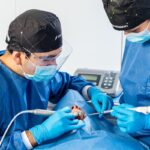
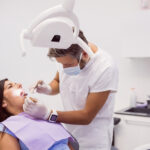
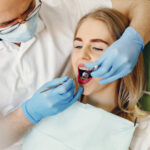
An orthodontic consultation typically involves a comprehensive examination of your teeth, jaw alignment, and bite. Digital scans, photographs, and X-rays may be used to create a personalized treatment plan.
The orthodontist will discuss your concerns, treatment options, expected timeline, and costs. This appointment provides valuable insight into whether braces or aligners are the best solution for your specific needs.
Conclusion
Knowing when you need braces or aligners is the first step toward achieving a healthier and more confident smile. Signs such as crowded teeth, gaps, bite problems, jaw discomfort, and speech difficulties often indicate the need for orthodontic treatment. Whether you choose traditional braces or modern clear aligners, professional guidance can help you achieve lasting results. Schedule an orthodontic consultation today and discover the best path to a straighter, healthier smile.