








Implant Planning and Placement Training Mumbai Dental Implant Course
Dental implants are changing the face of dentistry in the present generation, by providing patients with a long-term solution for missing teeth while also giving dentists the opportunity to expand their clinical expertise. The demand for implant procedures in India has been increasing rapidly, which is why many dentists are now searching for practical courses where they can gain real clinical exposure.
As a dentist who wants to master implant procedures, enrolling in implant planning and placement training Mumbai programs can help you gain hands-on experience and build strong clinical confidence. At Esthetica Dental Academy, dentists receive structured learning, live patient exposure, and expert mentorship that prepares them to perform implant procedures independently in their own practice.
This article explores the advantages of dental implant training, what dentists learn during the program, and why this skill is essential in modern dental practice.
Why Dental Implants Are One of the Most Valuable Skills for Dentists
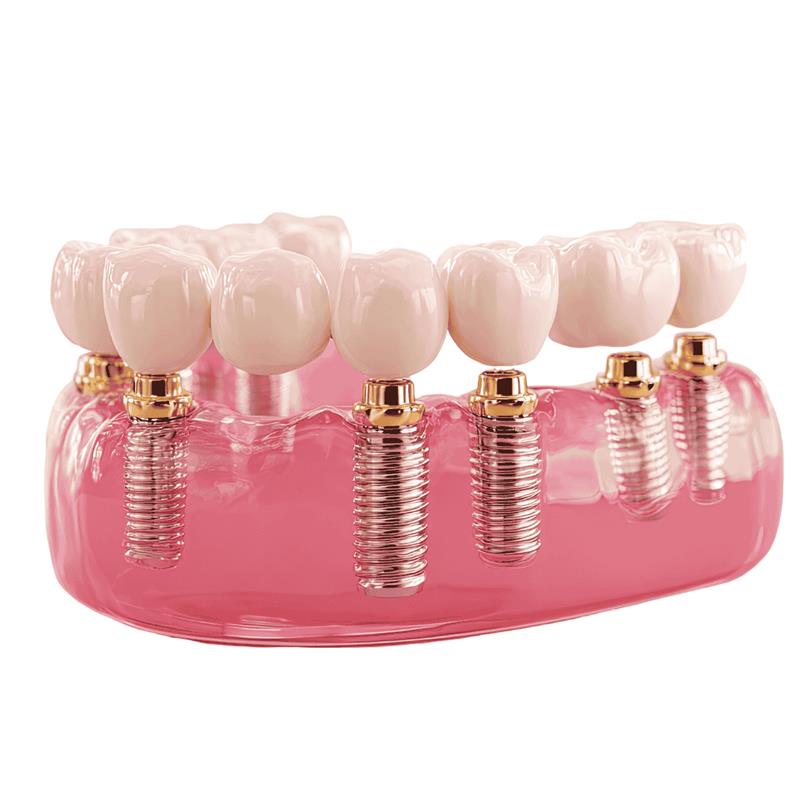
Dental implants have become one of the most reliable and widely preferred solutions for replacing missing teeth. Unlike removable dentures or traditional bridges, implants offer better stability, natural aesthetics, and long-term support for overall oral health.
As awareness about dental implant treatment continues to grow, more patients are choosing implants as a permanent tooth replacement option. This increasing demand creates excellent opportunities for dentists to expand their services and provide advanced dental care.
Learning dental implant procedures helps dentists:
- Expand their treatment capabilities
- Increase practice revenue potential
- Provide long-lasting tooth replacement solutions
- Improve patient satisfaction and trust
- Strengthen professional credibility in modern dentistry
With proper training and expert mentorship, dentists can confidently perform dental implant procedures while ensuring safe, effective, and predictable results for their patients.
Why Dentists Choose Structured Implant Training Programs
Many dentists complete their education with strong theoretical knowledge but limited practical exposure to dental implant procedures. A structured program helps bridge this gap by offering step-by-step learning along with real clinical experience.
A well-designed Dental Implant Course for Dentists helps participants:
- Understand proper implant case selection
- Learn essential implant surgical protocols
- Build confidence through live implant procedures
- Reduce the risk of common clinical errors
- Gain knowledge of implant prosthetic planning
For dentists who want to integrate implantology into their daily practice, Hands On Dental Implant Training is highly recommended. It provides the practical skills and confidence needed to perform implant procedures safely and effectively.
What Makes a Dental Implant Course Effective
Not all implant courses provide the same quality of training. The most effective programs focus on practical learning and real clinical understanding rather than only classroom lectures. A well-structured Dental Implant Course for Dentists helps participants build both theoretical knowledge and hands-on clinical confidence.
1. Case Planning Fundamentals
Successful implant treatment begins with proper diagnosis and planning. Dentists learn how to evaluate the patient’s oral condition, including bone density, gum health, and medical history before creating a treatment plan.
2. Radiographic Interpretation
Training includes understanding CBCT scans and dental X-rays. This helps dentists determine accurate implant positioning, bone availability, and important anatomical structures.
3. Surgical Protocols
Participants learn step-by-step surgical techniques such as flap design, osteotomy preparation, and precise implant placement to ensure predictable clinical outcomes.
4. Prosthetic Planning
Long-term implant success also depends on the final restoration. Dentists are trained to plan crowns and prosthetic components that provide proper function and aesthetics.
5. Complication Management
Training programs also prepare dentists to identify and manage complications such as implant failure, infection, or improper implant angulation.
Together, these essential components help dentists develop a strong and complete understanding of modern implantology.
Learn by Doing: The Value of Hands-On Clinical Training
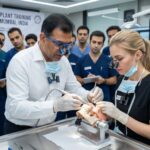
One of the most important parts of implant education is real clinical exposure. While theoretical knowledge is useful, performing procedures under expert supervision helps dentists build true confidence and practical skills.
Programs that offer Hands On Dental Implant Training give participants the opportunity to gain real experience through:
- Assisting in live implant surgeries
- Performing implant placement under expert supervision
- Practicing suturing and essential surgical techniques
- Understanding patient communication during procedures
- Observing proper post-operative care protocols
This practical learning approach helps dentists move from theoretical knowledge to real clinical application with greater confidence and accuracy.
Inside the Dental Implantology Training Program
The Dental Implantology Training Program at Esthetica Dental Academy focuses on practical implant education. The course is designed to help dentists understand implant procedures from diagnosis to final restoration.
Core Topics Covered in the Training
The Dental Implantology Training Program at Esthetica Dental Academy focuses on practical and clinically oriented implant education. The program is designed to help dentists understand every stage of implant treatment, from patient diagnosis and treatment planning to implant placement and final restoration.
Core Topics Covered in the Training
During the program, participants learn important implant concepts and clinical techniques, including:
- Implant treatment planning and case evaluation
- Surgical anatomy related to dental implants
- Understanding implant system components
- Flap design and proper surgical access
- Osteotomy preparation techniques
- Step-by-step implant placement protocols
- Suturing techniques for implant procedures
- Post-operative care and patient management
- Planning prosthetic restorations for implants
This well-structured curriculum helps dentists develop a clear and comprehensive understanding of modern implant dentistry while improving their clinical skills and confidence.
Step-by-Step Implant Planning Process
The success of dental implant treatment depends greatly on proper planning and careful clinical evaluation. Dentists are trained to assess multiple factors before performing the surgical procedure to ensure safe and predictable outcomes.
Patient Assessment
The first step is a detailed evaluation of the patient’s oral and overall health. Dentists examine bone availability, gum condition, and the patient’s medical history to determine whether they are suitable candidates for dental implant procedures.
Radiographic Evaluation
Advanced imaging such as CBCT scans helps dentists clearly visualize bone structure, nerve pathways, and sinus location. This allows accurate positioning and safer implant placement.
Treatment Planning
During this stage, dentists carefully decide important clinical factors, including:
- Appropriate implant size
- Correct implant position
- Number of implants required
- Prosthetic restoration planning
Surgical Preparation
Before performing the procedure, proper sterilization protocols are followed and all surgical instruments and implant components are prepared to maintain safety and precision.
Implant Placement
The procedure involves careful drilling into the bone followed by accurate implant insertion while maintaining the correct angulation and depth.
Building Confidence Through Mentorship
A key advantage of professional training is mentorship from experienced implantologists. Learning directly from experts helps dentists avoid common mistakes and improve surgical precision.
Mentorship allows participants to:
- Observe expert techniques
- Ask clinical questions
- Discuss real patient cases
- Receive personalized guidance
This mentorship environment helps dentists gain practical knowledge that textbooks cannot provide.
Course Duration and Training Structure
Most implant training programs are designed to be short yet intensive so dentists can quickly learn new skills and apply them in their clinical practice. A well-structured Dental Implant Course for Dentists focuses on both theoretical learning and practical clinical experience.
Typical training programs include:
- Interactive lectures to understand implant concepts
- Detailed case discussions for treatment planning
- Surgical demonstrations by experienced mentors
- Live patient procedures for real clinical exposure
- Practical sessions with Hands on Dental Implant Training
This balanced learning approach helps dentists build strong theoretical knowledge while gaining practical confidence in implant procedures.
Course Fees and Investment in Your Career
Professional implant training is an important investment in a dentist’s clinical growth and future practice. The cost of implant courses can vary depending on the course duration, training structure, and clinical exposure provided.
At Esthetica Dental Academy, the approximate fee for implant training programs ranges between:
₹80,000 to ₹1,50,000
The course fee generally includes:
- Clinical training sessions with expert guidance
- Live patient exposure for practical learning
- Surgical demonstrations and guided procedures
- Study materials and training resources
- Course completion certification
With the growing demand for implant treatments, investing in professional implant training can help dentists expand their services, increase patient trust, and create better long-term career opportunities.
Career Benefits After Completing Implant Training
Dentists who complete implant training gain valuable clinical skills that help them grow their practice.
Key benefits include:
Expanded Treatment Services
Dentists can offer implant procedures along with routine dental treatments.
Increased Patient Trust
Patients often prefer dentists who can provide advanced treatments in one place.
Higher Practice Revenue
Implant procedures are among the most valuable services in dentistry.
Professional Recognition
Implantology expertise enhances a dentist’s reputation within the profession.
Why Choose Esthetica Dental Academy for Implant Training
Choosing the right institute is essential for gaining quality education and practical experience in implant dentistry. Esthetica Dental Academy is recognized for its practical training approach and commitment to clinical excellence. The academy focuses on helping dentists develop strong clinical skills through real-world experience.
Key highlights of the training include:
- Real patient exposure for practical learning
- Small batch sizes for personalized mentorship
- Guidance from experienced implant mentors
- Training with modern dental equipment and technology
- Step-by-step clinical learning for better understanding
The academy emphasizes building clinical confidence so dentists can safely perform implant procedures and successfully integrate implant treatments into their own practice.
The Future of Implant Dentistry in India
Implant dentistry is growing rapidly in India as more patients become aware of advanced tooth replacement options. Compared to traditional dentures and bridges, implants provide better stability, comfort, and long-term oral health benefits.
As demand for implant treatments continues to rise, dentists who possess implant skills have greater opportunities to expand their practice and offer advanced dental care. Clinics that provide implant services often attract a broader patient base and achieve stronger long-term growth.
By learning implant procedures today, dentists can stay competitive and prepared for the future of modern dentistry.

Frequently Asked Questions
1. How long does it take to learn dental implant placement?
The duration of dental implant training programs can vary depending on the course structure and level of clinical exposure. Most programs last from a few days to several weeks. Intensive courses that include Hands On Dental Implant Training allow dentists to quickly learn essential surgical techniques, treatment planning, and implant placement procedures.
2. Do dentists need prior implant experience to join the course?
No prior experience in implant dentistry is usually required. Many Dental Implant Course for Dentists programs are designed for beginners and provide step-by-step training starting from the basics of implantology to advanced clinical techniques.
3. Is hands-on training important for implant learning? Yes, practical training plays a crucial role in learning implant dentistry. Hands-on sessions with live patient exposure help dentists understand surgical procedures, improve clinical accuracy, and build the confidence needed to perform implant treatments in their own practice.
Explore related articles: https://www.estheticadentalchandigarh.com/cosmetic-dentistry-training-track-record/
Explore related articles: https://www.estheticadentalchandigarh.com/dental-implant-course-for-beginners/
Explore related articles:https://www.estheticadentalchandigarh.com/advanced-dental-implant-course-chandigarh/