









There is more to losing a tooth than meets the eye, as it can affect how you eat, speak, and feel every day. The loss of a tooth may gradually lead to jawbone loss, shifting of remaining teeth, and changes in facial features, all of which impact oral health and self-confidence. As more people look for a credible and permanent solution for missing teeth, choosing the right treatment becomes essential for preserving long-term dental health.
Modern dentistry offers several options to replace missing teeth, but the dental implant has become the most advanced and reliable solution. Designed to replace both the tooth root and the visible tooth, dental implants provide superior strength, long-term stability, and a natural appearance. This guide explains what a dental implant is, how it works, details of the dental implant procedure, dental implant cost considerations, and key benefits helping you make a clear and confident, well-informed decision.
What Is a Dental Implant? A Permanent Solution for Missing Teeth
A dental implant is more than just a replacement tooth it’s a replacement root that restores both function and appearance. Unlike dentures or bridges that rest on the gums, a dental implant is a small, medical-grade titanium or zirconia post surgically placed into the jawbone, where it fuses naturally with the bone to create a strong, stable foundation.
Once fully healed, the implant supports a custom-made crown that looks, feels, and works just like a natural tooth. This makes dental implants the most reliable and long-lasting solution for missing teeth, helping preserve jawbone health, maintain facial structure, and restore your confidence in eating, speaking, and smiling.
How Does a Dental Implant Work? Understanding the Science Behind It
The real magic of a dental implant lies in the way it fuses with the jawbone, creating a stable and permanent foundation. This process, known as osseointegration, allows the implant to become part of your natural bone structure. Once the implant integrates fully, it can handle normal biting and chewing just like a real tooth, giving you a natural feel and function.
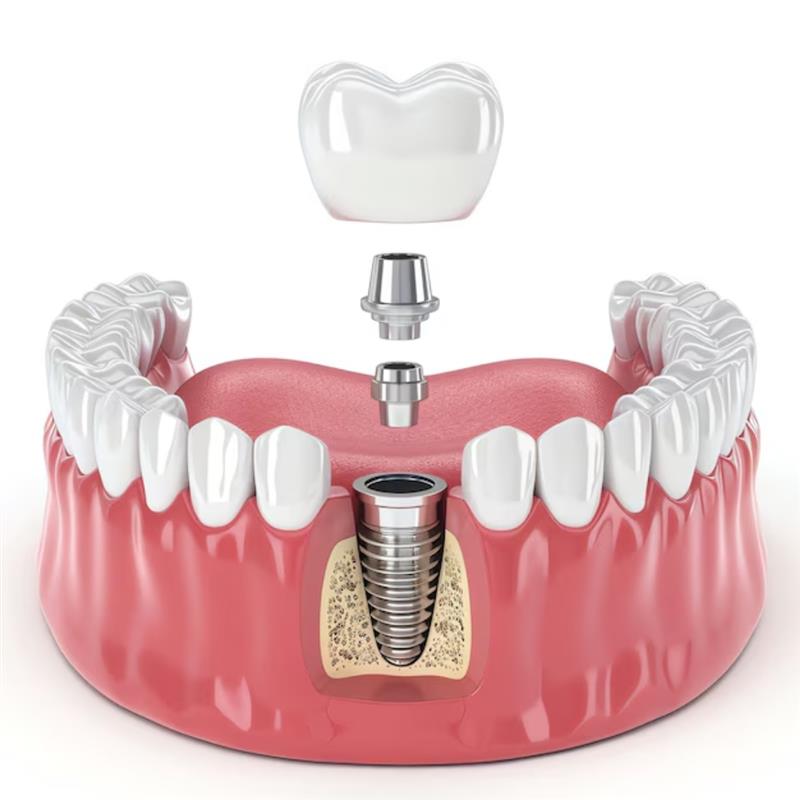
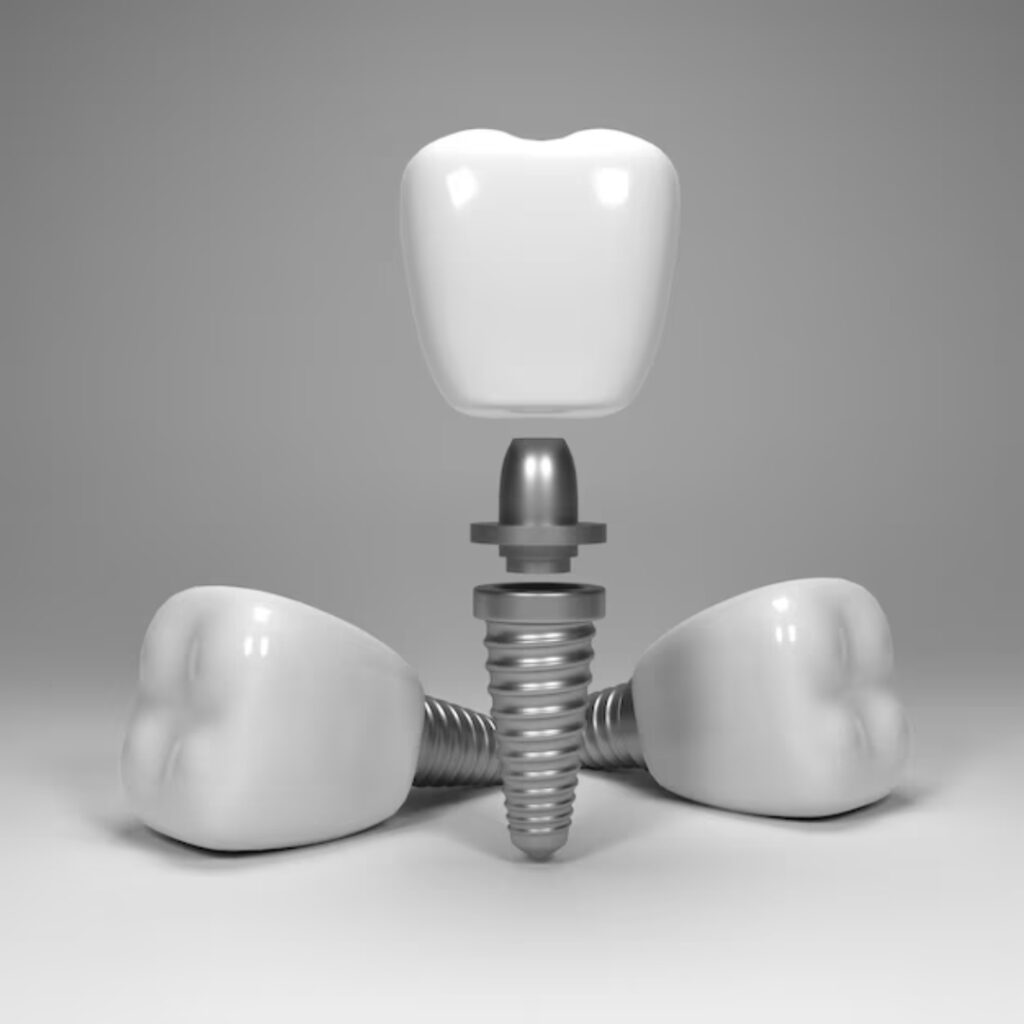
A complete dental implant has three key components:
- Implant fixture: The post that acts as an artificial tooth root and is placed into the jawbone
- Abutment: The connector that links the implant to the crown
- Crown: The visible, tooth-colored part that replaces the missing tooth
This combination ensures that dental implants are strong, durable, and long-lasting. Unlike dentures or bridges, implants preserve jawbone health, prevent teeth from shifting, and restore your smile naturally, making them one of the most effective solutions for tooth replacement in modern dentistry.
Why Dental Implants Are Different from Bridges and Dentures
Not all tooth replacement options are created equal, and understanding the differences can help you make the best choice for your oral health. Traditional solutions like dentures and bridges have their drawbacks. Dentures can slip or feel uncomfortable, while bridges depend on neighboring teeth for support, which can weaken them over time.
A dental implant, however, stands independently and functions just like a natural tooth. Its benefits go beyond appearance:
- No damage to adjacent teeth — unlike bridges, implants don’t require grinding down healthy teeth
- Prevents jawbone deterioration — implants stimulate the bone and preserve facial structure
- Fixed, stable, and long-lasting — they stay securely in place and can last decades with proper care
- Feels and functions naturally — provides the same comfort and chewing ability as real teeth
Dental Implant Procedure: A Simple Step-by-Step Guide
Understanding how a dental implant works can ease anxiety and help you feel confident about the treatment. The procedure is usually done in stages to ensure safety, comfort, and long-lasting results.
Step 1: Consultation and Planning
Your dentist will examine your mouth, take X-rays or 3D scans, and check jawbone health to plan the best implant placement.
Step 2: Implant Placement
The implant, a small titanium or zirconia post, is gently placed into the jawbone during a minor procedure under local anesthesia.
Step 3: Healing and Integration
Over the next 3–6 months, the implant naturally fuses with your jawbone in a process called osseointegration, creating a strong foundation.
Step 4: Abutment Placement
Once healed, a small connector called an abutment is attached to the implant to support the crown.
Step 5: Crown Placement
A custom-made crown is placed on top, restoring your tooth’s natural look, feel, and function.
With structured treatment planning, clinics like Esthetica Dental Clinic ensure the process is smooth, predictable, and comfortable for every patient.
Is the Dental Implant Procedure Painful? What to Expect
Pain is often the biggest concern when considering a dental implant, but the reality is usually much less intimidating than people imagine. Most patients say the procedure feels no more uncomfortable than a routine tooth extraction.
Thanks to modern anesthesia, precise surgical techniques, and effective post-procedure medications, any discomfort is minimal and manageable. After the procedure, mild swelling or soreness may occur, but it typically fades within a few days, allowing you to return to normal activities quickly and comfortably.
Dental Implant Cost: What Determines the Price in 2026?
Understanding the dental implant cost is important for planning your treatment and making an informed decision. Prices can vary depending on several factors, including the materials used, the complexity of your case, and the technology involved. While implants may cost more upfront than traditional options, their long-term durability often makes them the most cost-effective solution for replacing missing teeth.
Key Factors That Affect Dental Implant Cost
| Factor | How It Impacts Cost |
| Type of implant material | Titanium implants are standard; zirconia implants may cost more. |
| Number of implants needed | More implants increase overall treatment cost. |
| Bone grafting or sinus lift | Required if jawbone density is low; adds to cost. |
| Crown material | Porcelain or zirconia crowns can vary in price. |
| Technology and expertise | Advanced 3D imaging and experienced surgeons may increase cost but improve outcomes. |
In 2026, dental implant techniques continue to advance, offering precise placement, faster healing, and long-lasting results. With proper planning and care, dental implants remain a smart investment for oral health and a natural-looking smile.
Why Dental Implant Benefits Go Beyond Just a Better Smile
The advantages of a dental implant go far beyond improving the look of your smile. These implants not only restore missing teeth but also support overall oral health, functionality, and quality of life.
Key Dental Implant Benefits
- Preserves jawbone and facial structure: Implants stimulate the bone, preventing deterioration and maintaining natural facial contours.
- Restores natural chewing ability: With implants, you can eat your favorite foods comfortably, just like with natural teeth.
- Improves speech clarity: Unlike loose dentures, implants stay secure, helping you speak clearly without slurring or clicking.
- Prevents shifting of nearby teeth: By filling gaps, implants keep surrounding teeth in proper alignment.
- Enhances confidence and comfort: With a natural look and feel, many patients forget they even have a replacement tooth.
Thanks to these benefits, dental implants are considered the most reliable and effective solution for tooth replacement in modern dentistry. They combine function, comfort, and aesthetics to restore your smile and improve long-term oral health.
How Long Do Dental Implants Last? A Long-Term Perspective
One of the biggest advantages of a dental implant is its remarkable longevity. With proper care, a dental implant can last 20 years or more, and in many cases, a lifetime. While the crown on top may need replacement over time due to natural wear, the implant itself remains firmly stable within the jawbone.
Maintaining your dental implant’s long-term success is straightforward. Regular dental visits, daily brushing, flossing, and avoiding habits that can damage teeth help ensure that your implant continues to function like a natural tooth for years to come.
Dental Implant Aftercare: Simple Habits for Lifetime Results
Caring for a dental implant is easier than many people think, as it is maintained much like your natural teeth. Key habits include:
- Brushing twice daily with a soft-bristled toothbrush
- Flossing carefully around the implant to remove plaque
- Using non-abrasive toothpaste to protect the implant crown
- Visiting your dentist regularly for check-ups and professional cleaning
Patients at Esthetica Dental Clinic receive personalized aftercare guidance to protect their implant health and ensure long-term comfort, functionality, and a confident smile.
Why Dental Implants Are the Future of Modern Dentistry
Advancements in technology are revolutionizing dental implants, making them faster, safer, and more effective than ever before. Innovations like digital imaging, guided implant surgery, and high-quality materials have improved precision, comfort, and overall success rates, giving patients predictable and long-lasting results.
No longer a luxury, dental implants are now an evidence-based solution for replacing missing teeth. This is why patients worldwide continue to choose implant-based treatments at trusted centers such as Esthetica Dental Clinic, ensuring restored function, natural aesthetics, and long-term oral health.
Final Thoughts
Healthy smile is important and has a strong base. A missing tooth is replaced; however, it is much more than that a dental implant is restoring the balance, functions, and self-confidence. A dental implant has the potential to save the health of the jawbone, retain facial appearance and support unparalleled stability in daily chewing and speaking by imitating the natural tooth root.
A dental implant is one of the most predictable and durable measures the modern dentistry may provide carefully designed and provided, to provide the patients with a natural-looking smile and advantageous oral hygiene, long-term.
Frequently Asked Questions (FAQs)
1. What is a dental implant made of?
A dental implant is typically made from biocompatible materials like titanium or zirconia. These materials are safe for the body and integrate naturally with the jawbone, creating a strong, long-lasting foundation for the replacement tooth.
2. How long does the dental implant procedure take?
The surgical placement of a dental implant usually takes 30–60 minutes per implant. However, the complete treatment—including healing and integration with the jawbone can take several months. This phased approach ensures long-term success and stability.
3. Is dental implant treatment safe?
Yes. Dental implants are considered a safe and reliable long-term solution for missing teeth. With modern techniques, advanced materials, and professional care, implants have a very high success rate and minimal complications when placed correctly.
4. How much does a dental implant cost in 2026?
The dental implant cost depends on factors such as the type of implant, number of teeth being replaced, any additional procedures like bone grafting, and the materials used for the crown. While implants may cost more upfront, they offer unmatched long-term value compared to bridges or dentures.
Explore related articles: https://www.estheticadentalchandigarh.com/dental-implants-cost-mohali/