



The Dental implants are made to appear, touch and act like natural teeth. Their success on the long term, however, largely relies on their after-placement care. Good oral care does not only safeguard the implant itself, but also the gums and jawbone. The appropriate routine and habits can make you guarantee that your implant remains healthy, stable and good-looking over several years.
This comprehensive information guide offers all the information you will require regarding oral hygiene after a dental implant, including what is required on a daily basis, how the dentist will take care of it, and the errors most likely to be made. You may have just gotten an implant or may be considering doing so, but one way or another, this article will enable you to start on a solid basis on oral health.
Understanding Dental Implants and Oral Health
Why Oral Hygiene Matters More After an Implant
Dental implants are artificial tooth roots made from biocompatible titanium that fuse with the jawbone to support replacement teeth. While implants do not decay like natural teeth, the surrounding gums and bone remain vulnerable to bacterial infection. Without proper oral hygiene after a dental implant, plaque can build up around the implant area, leading to inflammation, gum disease, and potential implant complications.
Maintaining good oral hygiene is essential for long-term implant success. Proper care helps:
- Prevent bacterial buildup around the implant
- Protect gums from infection and swelling
- Support healthy bone integration
- Extend the lifespan of the dental implant
Dental implants require the same daily care as natural teeth and may need extra attention during the healing phase to ensure stability and overall oral health.
Dental Implant Aftercare: The First 24 to 72 Hours
The Critical Healing Window
The first 24 to 72 hours after dental implant surgery are extremely important for proper healing. During this time, your body starts the natural process of bonding the implant with the jawbone, which plays a key role in the long-term success of the treatment. Taking the right care steps early helps reduce discomfort and prevents complications.
During this healing phase, it’s important to follow these aftercare guidelines:
- Avoid brushing directly over the surgical area for the first day
- Rinse your mouth gently using a dentist-recommended mouthwash or saltwater solution
- Stick to soft, cool foods to prevent irritation and pressure on the implant
- Do not touch, disturb, or play with stitches or the implant site
Proper dental implant aftercare during this critical period helps control swelling, speeds up healing, minimizes pain, and significantly lowers the risk of infection. With gentle care and attention, you set the foundation for a healthy, stable dental implant.
Daily Cleaning Routine After a Dental Implant
Brushing Techniques That Protect Your Implant
Brushing twice a day is one of the most important steps in maintaining oral hygiene after a dental implant. Using a soft-bristled toothbrush helps clean the implant area effectively without irritating the surrounding gums. Gentle yet thorough brushing prevents plaque buildup and keeps the implant and nearby teeth healthy.
For best results, follow these brushing practices:
- Hold the toothbrush at a 45-degree angle toward the gumline
- Use small, circular motions instead of aggressive scrubbing
- Clean all sides of the implant crown, just like a natural tooth
Electric toothbrushes can also be a good option, as they remove plaque more efficiently while applying consistent, gentle pressure. When used correctly, they help protect the implant and support long-term dental implant maintenance.
Dental Implant Maintenance Through Flossing
Cleaning Where the Brush Can’t Reach
Flossing plays a vital role in maintaining oral hygiene after a dental implant, as it removes plaque and food particles from areas a toothbrush cannot reach. Around implants, plaque can build up silently along the gumline, increasing the risk of inflammation and infection if not cleaned regularly.
To clean implants safely and effectively, consider these flossing options:
- Implant-specific floss designed to protect gum tissue
- Super floss with a stiff end to reach under the implant crown
- Interdental brushes for cleaning wider spaces around implants
Consistent daily flossing is an essential part of dental implant maintenance. It helps keep the gums healthy, prevents irritation and swelling, and supports the long-term stability of the implant.
Using Mouthwash and Additional Tools
Enhancing Oral Hygiene After a Dental Implant
Mouthwash can be a valuable addition to your daily oral care routine after a dental implant. It helps reduce harmful bacteria, freshens breath, and soothes sensitive gums. For best results, choose an alcohol-free or dentist-recommended antibacterial mouthwash to prevent dryness or irritation around the implant area.
Additional oral care tools can further improve implant hygiene, including:
- Water flossers for deep cleaning around implants and gumlines
- Antibacterial gels, if advised by your dentist, to control infection
- Tongue cleaners to reduce bacteria and support fresher breath
Using these tools alongside regular brushing and flossing enhances oral hygiene after a dental implant and helps maintain overall mouth health for the long term.
Diet and Lifestyle Choices That Impact Implant Health
What You Eat Matters
Your daily food choices have a direct impact on healing and the long-term success of a dental implant. In the early recovery phase, eating soft foods such as yogurt, soups, smoothies, and mashed vegetables helps protect the implant site from unnecessary pressure and irritation. As healing improves, you can gradually reintroduce solid foods while maintaining a balanced diet.
Nutrients like calcium, vitamin D, and protein are essential for bone strength and tissue repair, helping the implant bond securely with the jawbone. Staying well hydrated also supports healthy gums and reduces the risk of bacterial buildup. A nutritious diet combined with healthy lifestyle habits plays a key role in maintaining strong and stable dental implants.
Avoiding Habits That Harm Dental Implants
Common Mistakes to Avoid
Certain everyday habits can negatively affect dental implant stability and gum health if not addressed. These actions may interfere with healing, increase the risk of infection, or place unnecessary stress on the implant over time.
Common habits to avoid include:
- Smoking or using tobacco products, which can slow healing and increase implant failure risk
- Excessive alcohol consumption, which may interfere with tissue repair
- Chewing ice, hard candies, or other hard objects that can damage the implant crown
- Skipping daily brushing and flossing routines
Avoiding these habits is essential for anyone learning how to care for dental implants effectively. Making healthier lifestyle choices helps protect the implant, maintain healthy gums, and ensure long-term success.
Professional Care and Regular Dental Visits
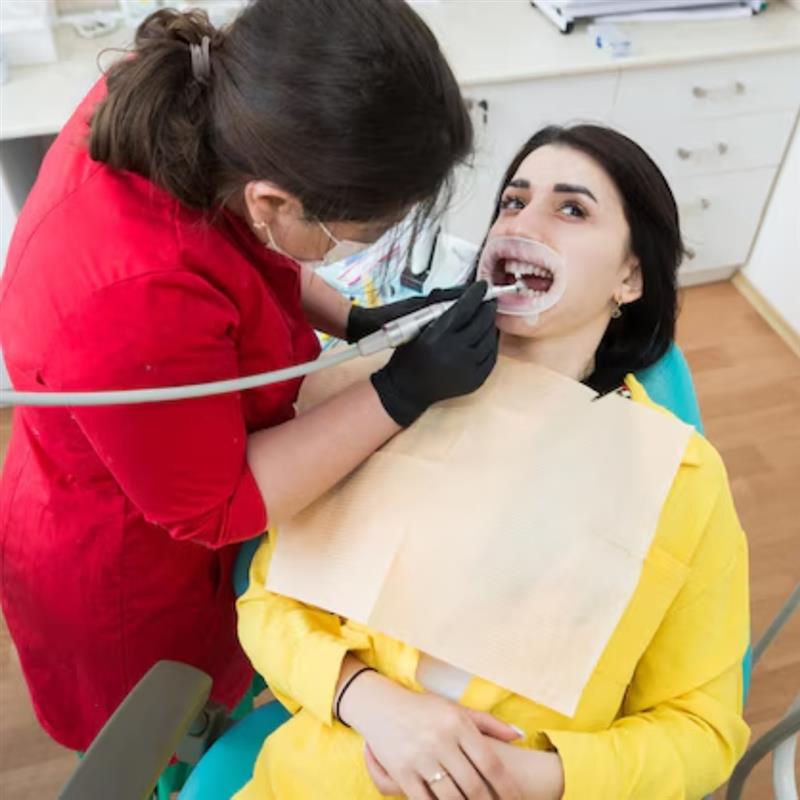
Regular dental checkups are essential for maintaining the long-term health of dental implants. These visits allow dental professionals to closely monitor the implant, surrounding gums, and supporting bone. Professional cleanings help remove hardened plaque and bacteria from areas that are difficult to clean at home, reducing the risk of infection and gum disease.
Patients visiting Esthetica Dental Clinic often benefit from personalized implant maintenance plans designed to suit their individual oral health needs. Routine dental visits ensure early detection of potential issues and help keep dental implants strong, stable, and healthy for years to come.
Long-Term Dental Implant Maintenance Strategies
Even after a dental implant has fully healed, ongoing care is essential to keep it strong, comfortable, and functional. A consistent oral hygiene routine helps prevent gum problems and ensures the implant continues to perform like a natural tooth for many years.
Effective long-term dental implant maintenance includes:
- Brushing and flossing daily to control plaque buildup
- Using dentist-recommended oral care products for implant safety
- Scheduling regular dental checkups for professional cleaning and monitoring
- Paying attention to any discomfort, swelling, or changes and addressing them early
With proper care and routine maintenance, dental implants can remain stable and reliable for decades, making them a long-term investment in your oral health.
How to Care for Dental Implants While Traveling
Traveling doesn’t mean you have to compromise your dental implant care. Maintaining your routine while on the move is key to preventing plaque buildup and protecting the surrounding gums. Carry a compact oral hygiene kit that includes a toothbrush, floss, and a small bottle of mouthwash to keep your implants clean wherever you go.
Patients at Esthetica Dental Clinic are often advised to follow simple, travel-friendly practices such as rinsing after meals, brushing gently twice a day, and flossing regularly. Sticking to these habits ensures your dental implants remain healthy and well-maintained, even when you’re away from home.
Final Thoughts
Oral care after dental implant is a lifetime process, not necessarily complex. With a routine of brushing, flossing, applying prescribed oral care and regular dental checks, you can have a long healthy life before your implants wear out.
Clinics such as Esthetica Dental Clinic emphasize on the value of patient education and daily habits in long term appellant failure. Once a good oral care enables you to make it an everyday routine, your dental implant will become an extension of your smile that helps boost confidence and oral health. Making the best choices today will determine a healthier, brighter and more confident future.
Frequently Asked Questions (FAQs)
1. How soon can I brush after a dental implant?
You can typically brush your surrounding teeth on the same day as your implant surgery, but avoid touching the implant site directly for the first 24 hours. Always follow your dentist’s specific instructions to ensure safe and effective cleaning.
2. Is flossing safe around dental implants?
Yes, flossing is essential for removing plaque and debris around dental implants. Use implant-friendly floss or interdental brushes to clean gently without damaging the gum tissue. Consistent flossing helps prevent inflammation and supports long-term implant health.
3. How long do dental implants last with proper care?
With excellent oral hygiene, regular professional checkups, and careful maintenance, dental implants can last 20 years or even longer. Daily care and early attention to any changes are key to their longevity.
4. What is the most common cause of dental implant failure?
The leading causes of implant failure include poor oral hygiene, smoking, and untreated gum disease. Maintaining a consistent care routine and following professional guidance significantly reduces these risks, ensuring the implant remains strong and stable.
Explore related articles: https://www.estheticadentalchandigarh.com/understanding-the-cost-of-dental-implants-in-india-for-effective-oral-health/