








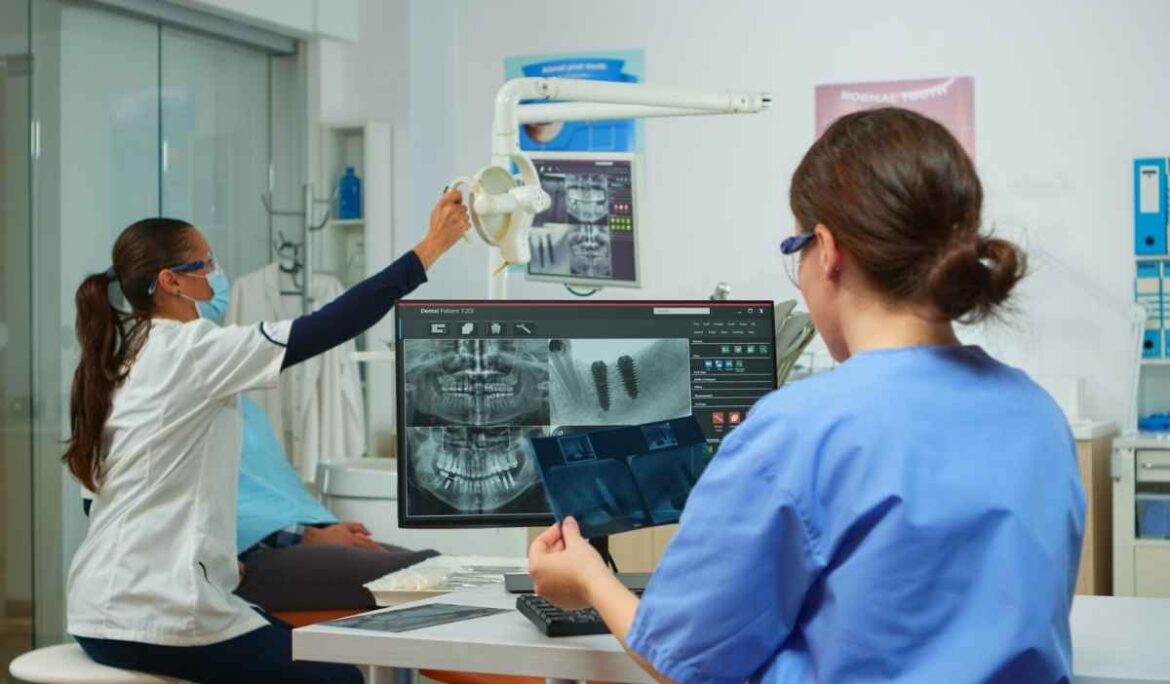
Dental implants have indeed revolutionized the field of dentistry in recent years, providing patients with a permanent and natural aesthetic solution for missing teeth. As a dental professional or student interested in expanding your skills, there’s no better investment you can make in your professional development than learning dental implant techniques, as it opens the door to advanced clinical expertise and improved patient outcomes.
This guide will help you learn everything you need to know about dental implants, from basic theory to advanced surgical skills, in a way that’s easy to understand, simple, and humanized.
What Are Dental Implants and Why Are They Important?
Dental implants are a titanium post surgically inserted into the jawbone to replace the lost tooth roots. They serve as a foundation for the replacement teeth.
Why implants matter in modern dentistry:
Long-term tooth replacement
Patient confidence and aesthetics
Chewing efficiency
Preserving the jawbone structure
Dentists skilled in implants are in high demand in the industry due to the rising customer demand
Why Learning Dental Implant Techniques is a Game-Changer
Dental implant dentistry is not just about the surgical skills needed for success—it’s about changing lives and taking your skills to the next level.
Benefits for dental professionals:
Increased earning potential
Increased treatment possibilities
Increased trust from patients
Increased professional development and specialization
Regardless of your skill level, from beginner to seasoned dentist, the key is learning.
Start Strong with a General Dentistry Course for Beginners
It is important to have a solid foundation before moving on to implants. A general dentistry course is important to help you understand the basics. This includes understanding oral anatomy, radiology, and treatment planning.
What You Will Learn from a Foundational Course:
Basic Oral Surgical Procedures
Infection Control Procedures
Patient Assessment and Diagnosis
Radiographic Interpretation
Understanding the Fundamentals of Implant Dentistry
Prior to undertaking implants, you need to have a clear understanding of:
Implant Components
Implant fixture
Abutment
Prosthetic crown
Bone Biology and Healing
Osseointegration
Density and quality of bone
Healing time
Case Selection
Medical history evaluation
Bone availability
Patient expectations
A strong theoretical base leads to better clinical outcomes
Step-by-Step Learning Dental Implant Techniques
Step 1: Diagnosis and Treatment Planning
Clinical examination
CBCT scans and imaging
Surgical planning
Step 2: Surgical Placement
Flap design
Drilling protocol
Implant placement
Step 3: Healing Phase
Osseointegration period (3-6 months)
Temporary restorations
Hands-On Training: The Key to Clinical Confidence
Seek out training programs that include:
Live patient surgeries
Models and simulations
Mentorship with experienced professionals
Case-based studies
Institutes like Estheica Dental specialize in practical training to ensure dentists feel confident with implant procedures.
Advanced Techniques in Dental Implantology That You Should Learn
After mastering the fundamental techniques, you can proceed to learn the advanced techniques in implantology. These include:
Immediate Implant Placement
Placement of implants after the removal of the tooth
All on 4 Technique
Restore the entire arch on four implants
Sinus Lift Techniques
For patients who lack sufficient bone in the upper jaw
Bone Grafting
Improving bone for better implant support
Common Challenges in Implant Dentistry (And How to Overcome Them)
- Insufficient Bone Density
Solution: Bone grafting or other methods
- Infection Risks
Solution: Strict sterilization and post-operative care
- Implant Failure
Solution: Accurate case selection and surgical accuracy
- Patient Anxiety
Solution: Accurate communication and sedation
Gaining knowledge from real-life examples will enable you to overcome these challenges effectively
Tips to Become an Expert in Dental Implant Techniques
Develop a learning plan
Regularly attend workshops and seminars
Practice on models before patients
Keep abreast with new technologies
Seek guidance from experienced mentors
Consistency is the key to becoming an expert.
Choosing the Right Training Institute Matters
All training programs are not created equally. While selecting a training program, you may want to look at:
Key Factors:
Accreditation and certification
Faculty
Hands-on training
Post-training support
Estheica Dental is recognized for providing thorough learning dental implant techniques along with hands-on training, which is ideal for those looking to become dental implantologists.
Future Scope of Dental Implant Dentistry
Increasing awareness among patients
Advancements in technology
Higher success rates
Thus, dental implants are a sure-shot way to a successful career.
Real Transformation: Impact on Patients’ Lives
Dental implants aren’t just about replacing teeth; they’re about giving patients a new lease on life.
Dental implants offer a number of benefits to the patient. These benefits include the natural look and feel, easier speech, comfort, and long-lasting results.
As a dentist, it’s a wonderful thing to be able to offer such a life-changing experience to your patients.
Your Journey to Mastering Dental Implants Starts Today
The process of learning the skills and techniques necessary to become a skilled dental implant dentist is a journey. However, with a proper foundation, training, and education, you too can become a skilled implant dentist and change your career and your patients’ lives.
Explore related articles: https://www.estheticadentalchandigarh.com/dental-tourism-packages-india/
Explore related articles:https://wwwhttps://www.estheticadentalchandigarh.com/airport-pickup-for–