







Dental Implant Care Guide How to Maintain Oral Hygiene Effectively
A confident smile does not end the day your implants are placed in fact, that is when the real responsibility begins. Choosing Dental Implant Care is an important investment in your health, comfort, and self-confidence. To make sure this investment lasts for decades, maintaining proper Oral Hygiene After Dental Implants is essential. Healthy gums, strong supporting bone, and consistent plaque control are the foundation of long-term implant success. Without regular cleaning, harmful bacteria can affect surrounding tissues and lead to inflammation or complications.
Many patients assume implants require complicated maintenance, but the truth is much simpler. With the right Implant Maintenance Routine, daily care becomes easy and manageable. Gentle brushing, flossing, and following professional Dental Implant Cleaning Tips can protect your smile for years to come. Combined with routine dental checkups, these simple habits ensure your implants remain stable, natural-looking, and problem-free.
Why Proper Implant Care Matters More Than You Think
Dental implants are designed to look, feel, and function like natural teeth, restoring both confidence and comfort. However, proper Dental Implant Care is essential for long-term success. While implants cannot develop cavities, the surrounding gums and supporting bone are still vulnerable to infection. Without consistent Oral Hygiene After Dental Implants, plaque buildup can lead to inflammation, peri-implantitis, bone loss, and even implant failure.
The good news is that implant longevity is achievable with the right habits. Following a structured Implant Maintenance Routine, applying effective Dental Implant Cleaning Tips, and scheduling regular professional checkups can help protect your smile for decades. With proper technique, daily consistency, and expert monitoring, your implants can remain strong, stable, and natural-looking for 20+ years — often even a lifetime.
Understanding Dental Implant Care
Dental implants are a long-term solution for missing teeth, but their success depends greatly on how well you care for them. Many patients think implant maintenance is complicated, but the reality is simple consistency and proper technique make all the difference. With the right habits, Dental Implant Care becomes a natural part of your daily oral hygiene routine. Maintaining healthy gums and strong supporting bone ensures your implants remain stable, comfortable, and long-lasting.
Key Focus Areas of Proper Implant Care:
-
- Preventing Plaque Buildup
Daily brushing and flossing help remove bacteria that can accumulate around the implant crown and gum line.
- Preventing Plaque Buildup
-
- Protecting Surrounding Gum Tissue
Healthy gums are essential for implant stability. Proper Oral Hygiene After Dental Implants reduces the risk of gum inflammation.
- Protecting Surrounding Gum Tissue
-
- Maintaining Bone Support
Strong bone structure keeps the implant secure. Regular dental visits help monitor bone health over time.
- Maintaining Bone Support
-
- Avoiding Inflammation and Infection
Following a structured Implant Maintenance Routine minimizes the chances of peri-implantitis and other complications.
- Avoiding Inflammation and Infection
Good oral hygiene keeps both the visible implant crown and the underlying tissues healthy. With consistent care and professional monitoring, your implants can function just like natural teeth for many years.
Oral Hygiene After Dental Implants: The First 48 Hours
The first 48 hours after implant surgery are extremely important for proper healing. During this time, your body begins forming the foundation that will securely hold the implant in place. Careful attention to Oral Hygiene After Dental Implants during this early stage helps reduce swelling, prevent infection, and support faster recovery.
What to Do Immediately After Surgery
-
- Avoid brushing the surgical area for the first 24 hours
This prevents irritation and allows the site to begin healing undisturbed.
- Avoid brushing the surgical area for the first 24 hours
-
- Rinse gently with the prescribed mouthwash
Use it as directed by your dentist to control bacteria without aggressive swishing.
- Rinse gently with the prescribed mouthwash
-
- Eat soft, lukewarm foods
Choose foods like yogurt, soup (not hot), mashed vegetables, or smoothies to avoid pressure on the implant site.
- Eat soft, lukewarm foods
-
- Avoid smoking and alcohol
Both can delay healing and increase the risk of infection or implant failure.
- Avoid smoking and alcohol
-
- Do not disturb stitches or touch the area
Avoid poking the site with your tongue or fingers, as this may interfere with healing.
- Do not disturb stitches or touch the area
Once your dentist confirms that healing is progressing well, you can slowly resume normal brushing using a soft-bristled toothbrush. Gentle cleaning around the area, combined with a proper Implant Maintenance Routine, ensures long-term implant success and healthy gum recovery.
Your Daily Implant Maintenance Routine
Consistency is everything. Here’s a simple daily plan.
Morning Routine
-
- Brush gently for two minutes using a soft brush
-
- Use low-abrasive toothpaste
-
- Clean around the implant crown carefully
-
- Rinse with alcohol-free mouthwash
Night Routine
-
- Brush thoroughly before bed
-
- Floss using implant-friendly floss or water flosser
-
- Inspect gums for redness or swelling
This structured implant maintenance routine prevents plaque accumulation and keeps tissues healthy.
Dental Implant Cleaning Tips for Long-Term Success
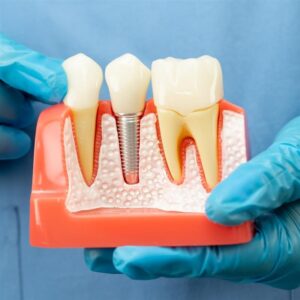
Taking care of your implants does not require expensive or complicated products what truly matters is the right technique and consistency. Following proper Dental Implant Care habits every day helps protect your gums, maintain bone support, and ensure long-term implant stability. Small daily efforts can make a big difference in extending the life of your smile.
1. Choose the Right Toothbrush
A soft-bristled toothbrush or an electric brush with pressure control is ideal. Hard bristles can irritate the gums and damage the delicate tissue surrounding the implant. Gentle brushing twice daily helps prevent plaque buildup without causing trauma.
2. Use Interdental Brushes
Interdental brushes with a non-metal core are excellent for cleaning tight spaces around implants. They effectively remove plaque and food particles without scratching the implant surface or crown.
3. Consider a Water Flosser
A water flosser is a great addition to your Implant Maintenance Routine. It helps flush out debris and bacteria from hard-to-reach areas, especially around the gum line and between teeth.
4. Avoid Abrasive Toothpaste
Highly abrasive or charcoal-based toothpaste can wear down implant crowns over time. Choose a low-abrasive, dentist-recommended formula to maintain the shine and durability of your restoration.
5. Don’t Skip Professional Cleaning
Even with excellent home care, professional checkups are essential. Visit your dentist every six months — or as recommended — for specialized implant cleaning and evaluation. Regular monitoring supports healthy Oral Hygiene After Dental Implants and prevents complications.
These simple yet effective cleaning practices can significantly improve implant longevity, keeping your smile healthy, stable, and natural-looking for many years.
Foods That Support Implant Health
Diet impacts healing and maintenance.
Best Foods
-
- Leafy greens
-
- Yogurt and dairy products
-
- Soft fruits
-
- Lean protein
-
- Nuts (after healing)
Foods to Limit
-
- Sticky candies
-
- Excessively hard foods
-
- Sugary beverages
-
- Tobacco products
Balanced nutrition strengthens gums and bone around implants.
Professional Care: Why Regular Checkups Are Essential
No matter how consistent you are with your daily routine, professional monitoring plays a critical role in long-term implant success. While brushing and flossing remove surface plaque, dentists use specialized instruments designed specifically for implants that clean thoroughly without scratching or damaging the implant surface. Regular dental visits help detect small issues before they become serious complications.
At Esthetica Dental Clinic, long-term follow-up care is a priority to ensure every implant remains stable, healthy, and infection-free. Routine evaluations typically include:
-
- Gum Health Assessment
Checking for inflammation, bleeding, or early signs of peri-implantitis.
- Gum Health Assessment
-
- Bone Level X-rays
Monitoring the bone structure around the implant to ensure it remains strong and supportive.
- Bone Level X-rays
-
- Crown Stability Checks
Ensuring the implant crown is secure, aligned, and functioning properly.
- Crown Stability Checks
-
- Professional Deep Cleaning
Removing hardened plaque and bacteria from areas that are difficult to clean at home.
- Professional Deep Cleaning
Early detection and preventive care not only protect your smile but also help you avoid costly and complex treatments in the future. Regular checkups are an essential part of maintaining healthy, long-lasting implants.
How Much Do Dental Implants Cost in India?
India has become a preferred destination for high-quality yet affordable implant treatments. With advanced technology, internationally trained specialists, and modern infrastructure, patients receive world-class care at a fraction of the cost compared to many Western countries. However, the final cost of treatment can vary based on individual clinical needs and the type of implant solution chosen.
Average Pricing (Approximate)
-
- Single Dental Implant: ₹25,000 – ₹45,000
-
- Implant with Crown: ₹35,000 – ₹65,000
-
- Full Mouth Implant Solutions: ₹2,50,000 onwards
Factors That Influence the Cost
-
- Implant Brand
Premium international implant systems may cost more but often provide advanced design and long-term reliability.
- Implant Brand
-
- Bone Grafting Requirement
If additional bone support is needed before implant placement, this can increase the overall cost.
- Bone Grafting Requirement
-
- Technology Used
Digital planning, 3D imaging, and guided implant surgery may affect pricing but improve precision and safety.
- Technology Used
-
- Dentist Expertise
The experience and specialization of the implant dentist play a significant role in treatment quality and cost.
- Dentist Expertise
At Esthetica Dental Clinic, patients receive customized treatment plans with clear, transparent pricing before starting the procedure. This ensures complete understanding of the process, expected outcomes, and investment required helping you make a confident and informed decision about your smile.
How Long Do Implants Last?
Dental implants are designed to be a long-term solution for missing teeth, and with proper Oral Hygiene After Dental Implants, they can last for decades. In many cases, implants remain functional for 20 years or more — and often even a lifetime. Clinical studies show success rates above 95% when patients follow correct maintenance protocols and attend regular dental checkups. The key to longevity lies in consistent care, healthy lifestyle choices, and professional monitoring.
Factors That Influence Implant Lifespan:
-
- Bone Quality
Strong, healthy jawbone provides stable support for the implant.
- Bone Quality
-
- Gum Health
Healthy gums protect against infection and inflammation around the implant.
- Gum Health
-
- Systemic Conditions
Medical conditions such as diabetes or immune disorders can affect healing and long-term stability.
- Systemic Conditions
-
- Hygiene Habits
Daily brushing, flossing, and plaque control are essential for preventing complications.
- Hygiene Habits
-
- Regular Dental Visits
Professional evaluations help detect early issues before they become serious problems.
- Regular Dental Visits
With disciplined care and routine monitoring, dental implants can remain secure, natural-looking, and fully functional for many years, making them one of the most reliable tooth replacement options available today.
Dental Implants vs Natural Teeth: Is Care Different?
Dental implants are designed to function like natural teeth, but their care requirements have a few important differences. Unlike natural teeth, implants cannot develop cavities because they are made of biocompatible materials such as titanium and ceramic. However, this does not mean they are maintenance-free. The gums and bone surrounding implants behave just like those around natural teeth, making plaque control absolutely essential for long-term success.
Even though implants are resistant to decay, they are still vulnerable to gum inflammation and peri-implant infection if oral hygiene is neglected. Consistent cleaning, healthy lifestyle habits, and professional checkups remain crucial to protect the supporting tissues and ensure implant stability.
In Short:
-
- No cavities, but possible gum infection
Implants don’t decay, but the surrounding gums can become inflamed or infected.
- No cavities, but possible gum infection
-
- Requires brushing and flossing
Daily cleaning helps remove plaque and bacteria from around the implant.
- Requires brushing and flossing
-
- Needs professional monitoring
Regular dental visits ensure early detection of any potential complications.
- Needs professional monitoring
With proper care and regular follow-up, dental implants can remain as strong and functional as natural teeth for many years.
Travel & Dental Tourism: Why India Is Preferred
India is a leading destination for dental tourism because it offers advanced implant technology, experienced specialists, and affordable treatment costs. International patients benefit from modern digital planning, high safety standards, and minimal waiting times.
Clinics like Esthetica Dental Clinic provide personalized, patient-focused care with transparent pricing and comfortable treatment experiences. This combination of quality, affordability, and efficiency makes India a preferred choice for dental implant procedures worldwide.
Final Thoughts: Protect Your Investment
Dental implants are more than just a tooth replacement solution they are a long-term investment in your confidence, comfort, and overall well-being. While implants are designed for durability, their success depends on consistent and mindful care. Following proper dental implant care practices ensures your smile remains strong, healthy, and natural-looking for years to come.
Maintaining implants is simple when you stay committed:
-
- Follow a disciplined cleaning routine
Brush twice daily and floss regularly to prevent plaque buildup.
- Follow a disciplined cleaning routine
-
- Monitor gum health
Pay attention to redness, swelling, or bleeding and seek advice if needed.
- Monitor gum health
-
- Attend regular checkups
Professional evaluations help identify and prevent potential complications early.
- Attend regular checkups
-
- Eat balanced meals
Proper nutrition supports healthy gums and strong bone around implants.
- Eat balanced meals
At Esthetica Dental Clinic, patients receive personalized guidance and long-term follow-up care to protect their smile investment. With the right hygiene habits and expert support, your dental implants can provide lasting comfort, stability, and confidence potentially for a lifetime.
Frequently Asked Questions (FAQs)
1. How do I clean my dental implants properly?
You should brush twice daily with a soft-bristled toothbrush, use low-abrasive toothpaste, and clean between teeth using floss or interdental brushes. Adding a water flosser can improve plaque removal. Consistent dental implant care and regular professional checkups are essential for long-term success.
2. Can dental implants get infected?
Yes, while implants cannot develop cavities, the surrounding gums can become infected if oral hygiene is poor. Conditions like peri-implantitis can occur due to plaque buildup. Maintaining proper oral hygiene after dental implants helps prevent inflammation and protects supporting bone.
3. How often should I visit the dentist after getting implants?
Most patients should visit their dentist every six months for routine evaluation and professional cleaning. However, your dentist may recommend more frequent visits depending on your gum health and overall oral condition. Regular monitoring ensures early detection of any potential issues.
Explore related articles:https://www.estheticadentalchandigarh.com/same-day-dental-appointments-vacation-holiday/