







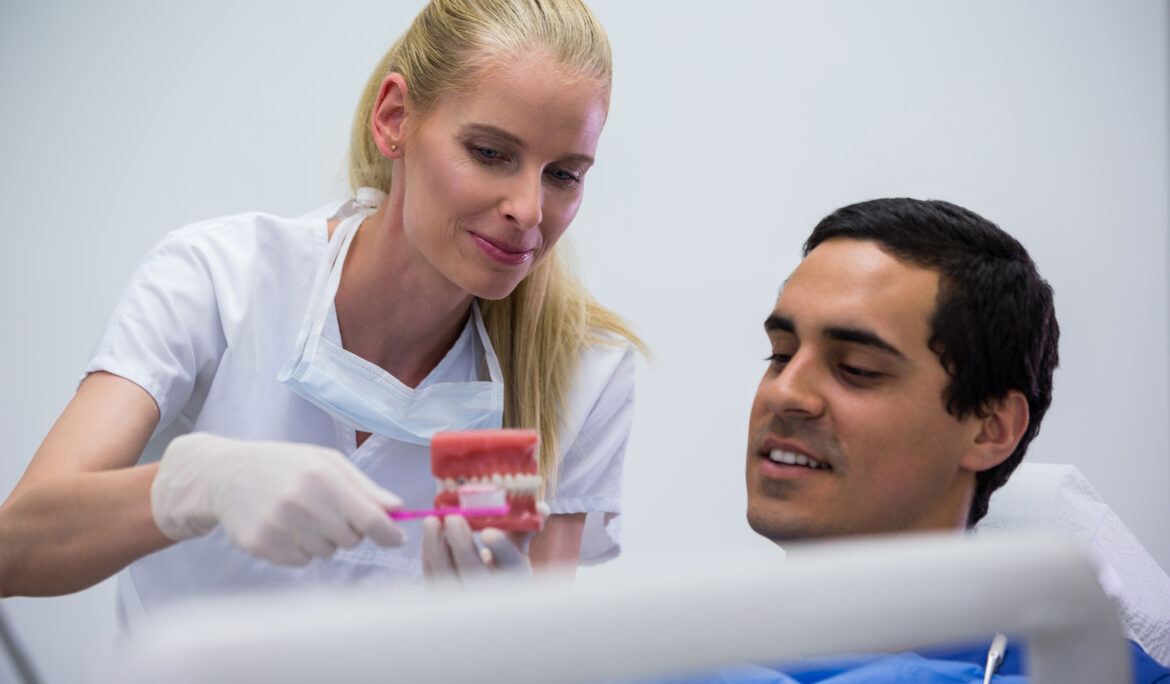
If you are a BDS graduate standing at the crossroads of confusion, you are not alone. Every year, thousands of young dentists complete their BDS and immediately face the same overwhelming question: Which dental course should I do next? The internet is flooded with flashy ads, institutes promise instant success, and social media shows dentists apparently becoming experts overnight. But real clinical practice is very different from marketing posters.
This article is written from a practical, chairside perspective, not from a brochure. If your goal is to become a confident, ethical, and financially stable clinician, then understanding what actually matters in dental courses for BDS graduates is far more important than simply collecting certificates.
Why Most BDS Graduates Feel Unprepared for Real Practice
The BDS curriculum gives you foundational knowledge, but it does not fully prepare you for independent clinical decision-making. In real practice, patients do not come with textbook symptoms. They come with anxiety, financial limitations, medical complications, and high expectations. Many BDS graduates realise within their first few months of practice that knowing theory is not the same as delivering predictable clinical results.
This gap between college education and real-world dentistry is the main reason dental courses for BDS graduates have become essential rather than optional. However, not all courses add real value. Some only add to confusion and expense.
Dental Courses for BDS Graduates: What Should Be the Real Objective?
Before enrolling in any dental course, the most important question to ask yourself is not what is trending, but what problem will this course solve in my daily practice? A meaningful course should improve three things simultaneously: your clinical confidence, your treatment outcomes, and your earning potential.
Real practice demands efficiency, accuracy, patient communication skills, and long-term treatment planning. Courses that focus only on slides, theory, or brand promotion fail to deliver these outcomes. For BDS graduates, the objective should always be to reduce clinical fear and increase predictability.
Clinical Skill-Based Learning Matters More Than Certificates
One of the biggest mistakes BDS graduates make is choosing courses based on the number of certificates offered. In real practice, patients do not ask how many certificates you have framed on your wall. They care about painless treatment, long-lasting results, and trust.
Dental courses for BDS graduates should prioritize hands-on training, live patient exposure, and complication management. Watching procedures is not enough. True learning happens when you perform procedures under expert supervision, make mistakes, correct them, and understand why something failed.
Courses that teach how to manage failed root canals, implant complications, esthetic failures, and post-treatment dissatisfaction are far more valuable than courses that only show ideal cases.
Why Short-Term Cosmetic Dentistry Courses Attract BDS Graduates
Cosmetic dentistry has become extremely attractive due to its visibility on social media and its higher perceived income. Veneers, smile designing, aligners, and whitening procedures are often marketed as quick success paths. While cosmetic dentistry is a powerful skill, it becomes dangerous when learned superficially.
For BDS graduates, cosmetic dental courses should focus on occlusion, diagnosis, smile analysis, material science, and long-term prognosis. Without these fundamentals, cosmetic treatments often lead to failures, remakes, and unhappy patients. Real practice rewards conservative, biologically driven esthetics rather than aggressive marketing dentistry.
Implantology Courses: What Really Makes a Difference
Implantology is one of the most sought-after dental courses for BDS graduates. However, implant failures are increasing globally due to inadequate training and overconfidence. A good implantology course does not start with drills and implants; it starts with case selection, medical evaluation, bone biology, and prosthetic planning.
Real-world implant success depends on understanding when not to place an implant. Courses that teach complications, peri-implantitis management, sinus issues, and patient-related risk factors are what truly prepare a BDS graduate for long-term success.
Endodontics in Daily Practice: Beyond Single Sitting RCT
Root canal treatment is the backbone of most general dental practices. Yet many BDS graduates feel anxious while performing molar RCTs, retreatments, or managing flare-ups. Dental courses for BDS graduates should focus on diagnosis, canal anatomy, rotary systems, irrigation protocols, and post-endodontic restorations.
Real practice success in endodontics is not about speed; it is about predictability. Courses that teach how to manage missed canals, instrument separation, and post-operative pain are invaluable for everyday confidence.
Why Practice Management and Communication Are Non-Negotiable
Clinical skills alone do not guarantee success. Many excellent clinicians struggle financially due to poor communication and management skills. Dental courses for BDS graduates must address patient communication, treatment presentation, consent, pricing strategies, and ethical upselling.
In real practice, explaining a treatment plan effectively often matters as much as executing it perfectly. Patients say yes to treatment when they trust you, not when they are overwhelmed with jargon.
Choosing the Right Dental Course: The Hidden Filters
A practical dental course should be evaluated based on mentor experience, number of real cases demonstrated, student-to-mentor ratio, and post-course support. Courses that offer lifelong mentorship, case discussions, and continuous updates add far more value than one-time workshops.
BDS graduates should also consider whether the course content aligns with their local patient demographic. What works in metropolitan cosmetic clinics may not immediately apply to tier-two or tier-three cities.
Why Esthetica Dental Academy Focuses on Real Practice Dentistry
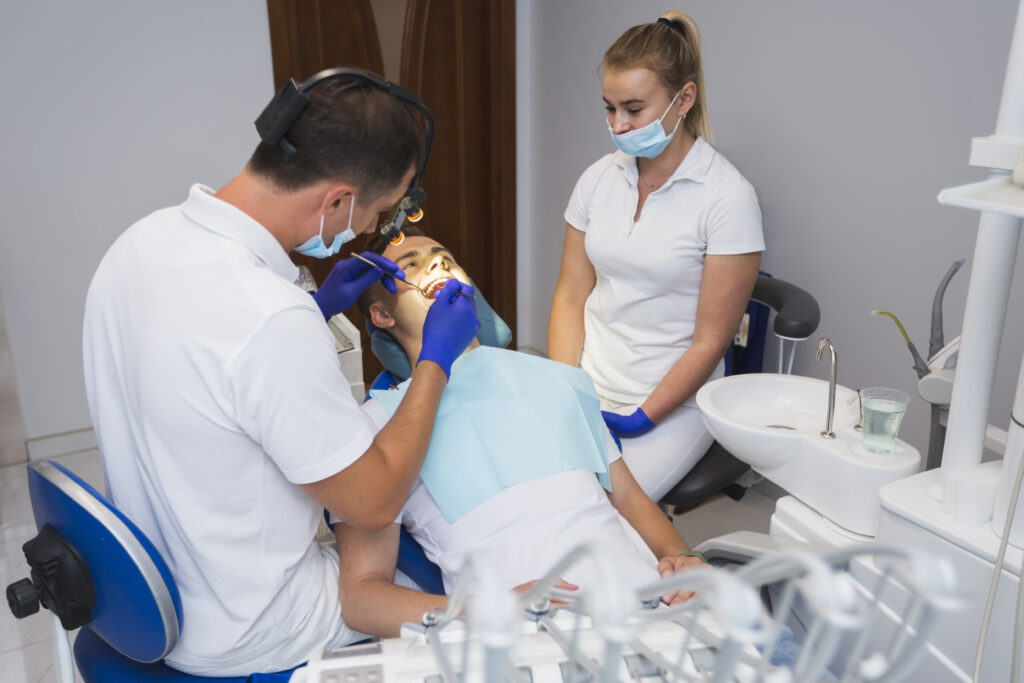
At Esthetica Dental Academy, dental courses for BDS graduates are designed around one principle: real patients, real problems, real solutions. The focus is not on shortcuts, but on structured clinical thinking. Every course integrates diagnosis, hands-on training, complication management, and practice integration.
The goal is not to create certificate collectors, but confident clinicians who can handle everyday dentistry with clarity and ethics. Learning continues beyond the classroom through mentorship and clinical guidance.
The Long-Term View: Building a Sustainable Dental Career
Short-term trends come and go, but fundamentals never change. As a BDS graduate, investing in the right dental course at the right time can save years of struggle, self-doubt, and financial loss. Real practice rewards dentists who are clinically sound, patient-focused, and continuously improving.
Instead of asking which course is popular, ask which course will still help you five years from now when complications arise and expectations increase. That mindset alone separates struggling dentists from respected clinicians.
Frequently Asked Questions
Which dental course is best after BDS for real clinical practice?
The best dental course after BDS is one that strengthens your daily clinical work, such as comprehensive restorative dentistry, endodontics, implantology with prosthetic focus, or practice-oriented cosmetic dentistry. The course should emphasize hands-on training and complication management rather than only theory.
Are short-term dental courses useful for BDS graduates?
Short-term dental courses can be useful if they are well-structured and clinically intensive. However, they should not replace in-depth learning. BDS graduates benefit most from courses that offer mentorship and continued learning beyond the course duration.
Is implantology safe to start immediately after BDS?
Implantology can be started after BDS only under proper guidance. Courses that teach diagnosis, case selection, and prosthetic planning are essential. Jumping into implant placement without understanding complications increases failure risk.
Do certificates from dental courses matter for patients?
Patients rarely judge dentists based on certificates. They value comfort, results, honesty, and trust. Certificates help build confidence, but real clinical outcomes build reputation.
How do I choose the right academy for dental courses after BDS? Choose an academy that focuses on real patient cases, experienced mentors, transparent teaching, and post-course support. Speak to past students, understand the curriculum depth, and ensure the course aligns with your long-term career goals.
Explore related articles: https://www.estheticadentalchandigarh.com/dental-academy/