









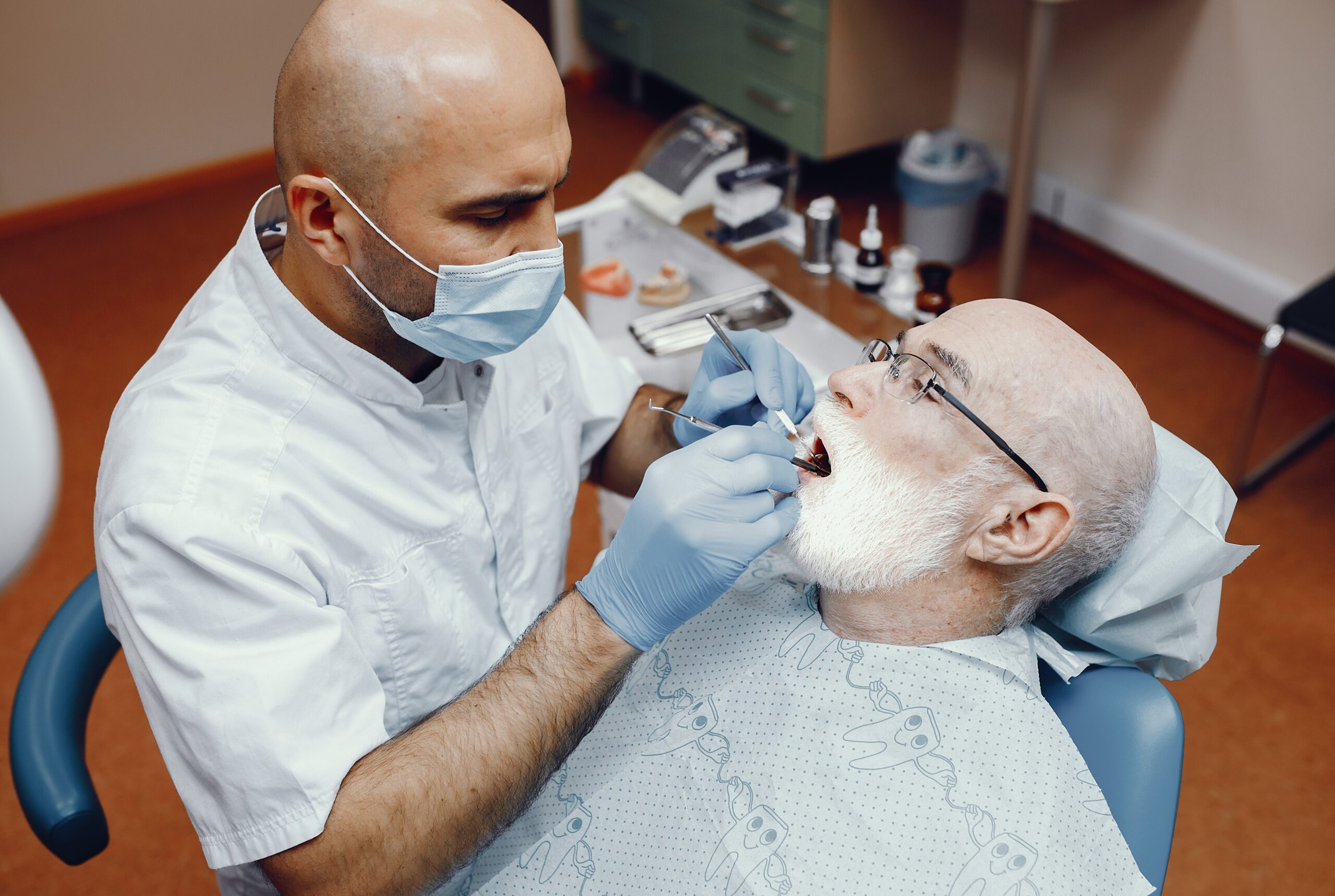
Is bone grafting always required for dental implants?
The loss of a tooth can be a very distressing experience. Beyond affecting your appearance, it can make everyday activities like chewing and speaking more challenging. Many people also experience a drop in confidence after losing a tooth, especially when the gap is visible while smiling. Dental implants have become one of the most reliable and long-lasting solutions for replacing missing teeth, offering a natural look along with strong functionality.
However, during the consultation process, some patients are told they may need an additional procedure before receiving implants. This often leads to an important question: is bone grafting for dental implants always necessary? The answer largely depends on the health and strength of your jawbone. Understanding why bone support matters and when extra preparation is required can help you feel more informed, confident, and fully prepared for your smile restoration journey.
Understanding Dental Implants and Jawbone Support
Dental implants are carefully designed to act like natural tooth roots, providing a strong and permanent base for replacement teeth. Unlike removable options, implants are surgically placed into the jawbone, where they gradually bond with the surrounding bone in a process known as osseointegration. This natural fusion is what makes implants stable, durable, and capable of supporting crowns, bridges, or even full-arch restorations.
For this process to succeed, the jawbone must be healthy, dense, and strong enough to anchor the implant securely. If the bone is too thin, soft, or has shrunk over time due to missing teeth, gum disease, or injury, it may not provide the stability required for long-term success. In such cases, bone grafting for dental implants may be recommended to rebuild and strengthen the area before implant placement. A proper evaluation using advanced imaging helps determine whether the jawbone can support the implant or if supportive treatment is needed to ensure safe and lasting results.
Why Bone Loss Happens After Tooth Loss
When a tooth is lost or extracted, the jawbone beneath it no longer receives the natural stimulation created by chewing and biting. Healthy teeth continuously stimulate the surrounding bone, keeping it strong and dense. Once that stimulation stops, the body begins a natural process called bone resorption, where the unused bone tissue slowly shrinks. This can start within just a few months after tooth loss.
As time passes, reduced bone volume can weaken the foundation needed for future tooth replacement. This is one of the main reasons dentists carefully assess bone health before recommending dental implants.
Other common causes of bone deterioration include:
- Advanced gum disease (periodontitis) that destroys supporting bone
- Long-term denture uses without adequate bone stimulation
- Jaw trauma or injury
- Untreated tooth root infection spreading to surrounding bone
- Delayed tooth replacement, leading to gradual shrinkage
This progressive jawbone loss is the primary reason some patients may require bone grafting for dental implants before implant placement. Early treatment not only preserves bone structure but also increases the chances of long-term implant success.
What Is Bone Grafting?
Bone grafting is a commonly performed dental procedure used to rebuild or strengthen areas of the jawbone that have weakened due to tooth loss, gum disease, or injury. When the natural bone is not thick or strong enough to support an implant, adding graft material helps restore the lost volume and density. This creates a solid foundation, increasing the chances of long-term implant stability and success.
The dental bone graft procedure involves placing specialized bone material into the affected area, where it acts as a scaffold for new bone growth. Over time, the body naturally integrates the graft, forming strong, healthy bone tissue. Once healing is complete, the area becomes stable enough to support a dental implant securely and safely.
Types of Bone Grafts Used in Dentistry
When planning bone grafting for dental implants, dentists carefully select the most suitable grafting material based on your bone condition, overall oral health, and long-term treatment goals. The right choice ensures better healing, strong bone regeneration, and improved implant stability. Modern advancements have made grafting materials highly safe, predictable, and compatible with the body.
Here are the main types commonly used in a dental bone graft procedure:
1. Autograft
This involves using bone taken from your own body, usually from another part of the jaw. Because it comes from your own tissue, it integrates naturally and is often considered highly effective for jawbone grafting for implants.
2. Allograft
Allografts use processed donor bone obtained from certified tissue banks. The material is thoroughly sterilized and prepared to ensure safety. It acts as a scaffold that encourages your body to regenerate new bone, making it a reliable option for bone loss treatment before dental implants.
3. Xenograft
This type of graft is derived from animal sources and specially treated for medical use. It supports natural bone growth and is widely used due to its durability and compatibility in implant preparation cases.
4. Synthetic Graft
Synthetic grafts are lab-created, biocompatible materials designed to stimulate bone regeneration. They are an excellent alternative for patients seeking advanced and minimally invasive solutions.
Each grafting option is chosen after a detailed clinical evaluation. The goal is to rebuild strong, healthy bone structure so that dental implants can be placed securely and function successfully for many years.

Is Bone Grafting Always Required for Dental Implants?
The simple answer is no — bone grafting is not always required before getting dental implants. Many patients have healthy jawbone structure with enough height, width, and density to support an implant without any additional procedures. In such cases, the implant can often be placed directly, making the treatment faster and more straightforward.
However, bone grafting for dental implants may become necessary when the jawbone does not provide adequate support. This can happen if:
- Bone volume is insufficient due to natural shrinkage after tooth loss
- Bone density is too weak to securely hold the implant
- There have been long-term missing teeth, leading to gradual bone resorption
- The implant site is located close to the sinus cavity, requiring additional support
Every patient’s situation is unique. A comprehensive clinical examination, along with advanced 3D imaging, helps evaluate bone quality and determine whether grafting is required. Proper diagnosis ensures a personalized treatment plan that supports long-term implant stability, safety, and overall oral health success.
When Bone Grafting Is Commonly Recommended
Although not every patient requires additional preparation, there are specific situations where strengthening the jaw becomes essential before implant placement. In such cases, bone grafting for dental implants plays a crucial role in rebuilding lost bone structure and ensuring long-term implant stability.
Long-Term Missing Teeth
If a tooth has been missing for many years, the surrounding jawbone may shrink due to lack of stimulation. This natural bone resorption reduces both height and width, often making it difficult to place an implant securely without prior support.
Severe Periodontal Disease
Advanced gum disease can gradually destroy the bone that supports your teeth. Even after the infection is treated, the remaining bone may not be strong enough to anchor an implant. In these cases, a dental bone graft procedure may be recommended to restore strength and density.
Preparing for Full-Mouth Implants
Patients planning full-arch or complete smile restoration sometimes require additional bone support. Proper jawbone grafting for implants ensures that multiple implants remain stable and durable for years to come.
Upper Back Teeth and Sinus Area
In the upper jaw, especially near the molars, bone height can be limited because of the nearby sinus cavity. A sinus lift combined with bone loss treatment before dental implants may be necessary to create adequate vertical space for safe implant placement.
A comprehensive examination with digital imaging helps determine whether grafting is needed. Personalized planning ensures safer procedures, better healing, and predictable long-term results.
Benefits of Bone Grafting Before Implants
Although it may seem like an additional step in your treatment journey, preparing the jawbone properly can make a significant difference in long-term results. When recommended, bone grafting for dental implants helps create a stronger and more reliable foundation, improving both function and appearance.
Here are some key long-term benefits:
- Improves implant stability by strengthening the bone structure
- Enhances aesthetic results, supporting natural-looking restorations
- Prevents facial structure collapse caused by jawbone shrinkage
- Increases long-term implant success rates
- Restores proper chewing strength and overall bite function
By investing in proper bone preparation, patients reduce the risk of implant complications and ensure a more predictable outcome. A stable bone foundation is one of the most important factors in achieving durable, long-lasting dental implants.
Can Dental Implants Be Done Without Bone Grafting?
Yes, in many cases, dental implants can be placed without additional procedures. If the jawbone has sufficient height, width, and density, implants may be inserted directly without the need for grafting. A detailed evaluation helps determine whether the existing bone can support the implant securely.
Modern advancements in implant dentistry offer alternative techniques for patients with mild bone loss, including:
- Short implants designed for limited bone height
- Angled implants that maximize available bone structure
- Zygomatic implants for severe upper jaw bone loss
- Immediate implant placement following tooth extraction
The best approach depends entirely on individual bone condition and overall oral health. A personalized treatment plan ensures that each patient receives the safest, most effective solution for long-term implant success.
The Bone Grafting Process: Step-by-Step
Understanding each stage of the procedure can help reduce fear and build confidence. When bone grafting for dental implants is recommended, it is carefully planned to ensure comfort, safety, and predictable healing.
Step 1: Consultation and Imaging
The process begins with a detailed examination and advanced digital imaging. 3D scans evaluate jawbone height, width, and density to determine the exact area that requires support. This precise planning ensures the most effective bone loss treatment before dental implants.
Step 2: Placement of Graft Material
During the procedure, the dentist gently places specialized graft material into the targeted area of the jaw. This material acts as a scaffold, encouraging natural bone regeneration. The dental bone graft procedure is typically performed under local anaesthesia, making it comfortable and minimally invasive.
Step 3: Healing and Bone Integration
Over the next 3 to 6 months, your body naturally forms new bone cells around the graft. This integration process strengthens the area and prepares it to support an implant securely. Proper aftercare and good oral hygiene are essential for smooth healing.
Step 4: Implant Placement
Once the bone has become strong and stable, the dental implant is carefully inserted into the rebuilt area. With adequate bone support achieved through jawbone grafting for implants, the implant can integrate successfully for long-term durability.
Bone Loss Treatment Before Dental Implants: Why Early Action Matters
Delaying treatment after tooth loss increases the likelihood of needing grafting. Early implant placement helps preserve natural bone and reduces additional procedures.
Seeking professional advice at the right time can prevent complex surgical interventions later.
How Technology Improves Implant Planning
Modern dentistry uses advanced tools such as:
- 3D CBCT imaging
- Digital smile design
- Guided implant surgery
These technologies provide precision and minimize guesswork, ensuring optimal outcomes.
Choosing the Right Dental Clinic
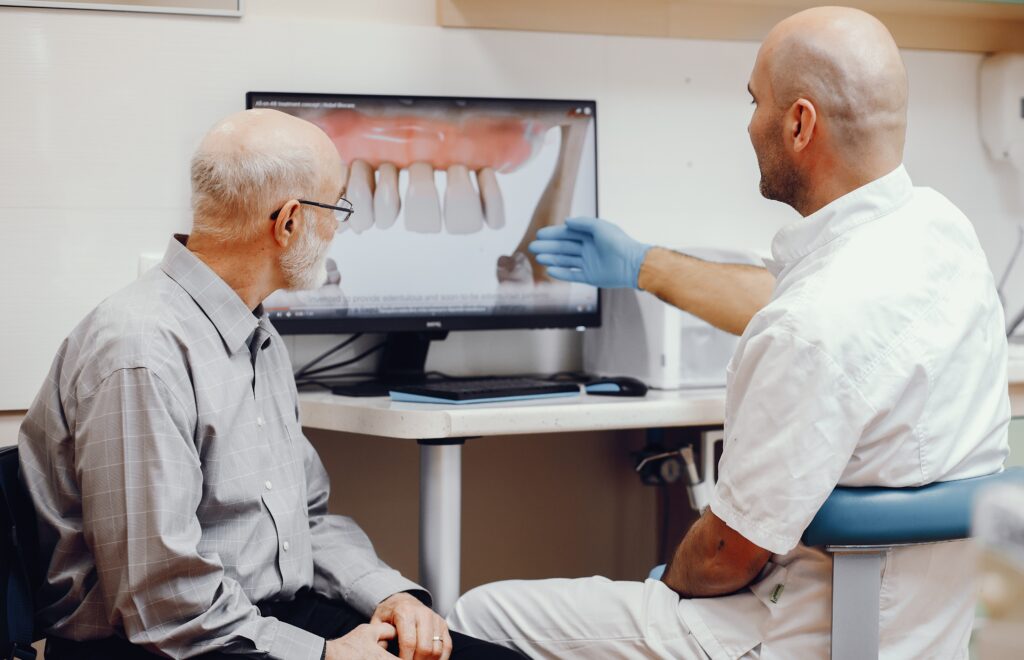
Selecting the right dental clinic plays a crucial role in the long-term success of your dental implants. An experienced and qualified team will carefully evaluate your bone quality, overall oral health, medical history, and long-term smile goals before recommending any procedure. With proper diagnosis and personalized planning, you receive only the treatment that is truly necessary whether it involves direct implant placement or bone grafting for dental implants.
At Esthetica Dental Clinic, patient-cantered planning and advanced digital diagnostics help determine whether bone preparation is required or if implants can be placed immediately. The clinic emphasizes minimally invasive techniques, safety, and predictable outcomes. With skilled specialists and modern technology, the focus remains on delivering comfortable care and long-lasting, natural-looking results tailored to each patient’s individual needs.
Final Thoughts: Is Bone Grafting Always Necessary?
The simple answer is no — bone grafting for dental implants is not always mandatory for every patient. The need for grafting depends entirely on the health, strength, and volume of your jawbone. Some individuals have sufficient bone support and can proceed directly with dental implants, while others may benefit from preparatory treatment to ensure long-term stability and success.
The key lies in early consultation, accurate diagnosis, and personalized care. With modern imaging and advanced treatment planning, dentists can determine whether bone loss treatment before dental implants is required or if immediate placement is possible. Modern dentistry offers multiple safe and effective solutions to restore your smile with confidence, durability, and natural-looking results.
Frequently Asked Questions (FAQs)
1. How do I know if I need bone grafting before implants?
To determine whether you need bone grafting for dental implants, your dentist will perform a detailed clinical examination along with digital X-rays or 3D scans. These images help assess the quality, height, and density of your jawbone. If the bone is not strong or thick enough to securely hold an implant, grafting may be advised to create a stable and long-lasting foundation.
2. Is bone grafting painful?
The procedure is usually carried out under local anaesthesia, which means you won’t feel pain during the treatment. Afterward, mild swelling or discomfort is normal for a few days, but it can be managed with medication and proper care. Most patients find the recovery process easier than expected.
3. How long does it take to heal after bone grafting?
Healing time typically ranges between 3 to 6 months, depending on the extent of bone loss and your body’s natural healing ability. During this period, new bone gradually forms and integrates with the graft material. Once the area becomes strong and stable, dental implants can be placed safely for long-term success.
Explore related articles: https://www.estheticadentalchandigarh.com/dental-implant-near-me/
Explore related articles: https://www.estheticadentalchandigarh.com/all-on-4-implants-cost-india-2026/
Explore related articles: https://www.estheticadentalchandigarh.com/dental-implant-cost-india-2026/
Explore related articles: https://www.estheticadentalchandigarh.com/dental-implants-india/