










What is 3D Treatment Planning in Dentistry Complete Guide?
The development of modern dentistry is very high, and 3D treatment planning in dentistry is one of the most important changes. The technology has changed how dentists diagnose their issues, how they plan their treatment as well as how they carry out the surgery. In case you are thinking tooth implants or other complicated dentistry, you could want to know about this process and make better choices. We apply 3D planning to develop precise, safe, and predictable results of our patients at Esthetica Dental Clinic.
Everything you need to know about 3D treatment planning, Digital ImplantPlanning, CBCT Implant Planning, and Guided Implant Surgery is described herein.
Why 3D Technology is Important in Dentistry
Conventional ways of dentistry were based on two-dimensional X-rays and manual impressions. Although such approaches are useful in most treatments, they do not give the full picture of your teeth, jaw and other related structures. 3D treatment planning in dentistry enables the dentist to develop a virtual image of your mouth that will give him the opportunity to plan treatments accurately, minimise errors and enhance the outcomes of patients.
The 3D technology has made the dental procedures predictable, least invasive, and personalised to the needs of the individual patient. Particularly, it is of significant importance in the case of implant surgeries, cosmetic treatment, and complicated restorative work.
What is 3D Treatment Planning in Dentistry?
3D treatment planning in dentistry is the process of creating a three-dimensional digital model of your teeth, jaw, and soft tissues. Dentists use this model to plan treatments accurately before starting any procedure. The process combines advanced imaging, digital impressions, and specialized planning software.
Key components include:
- 3D imaging such as CBCT scans
- Digital impressions captured with intraoral scanners
- Planning software to merge scans and simulate treatments
This technology helps dentists detect potential issues, plan precise procedures, and ensure implants, braces, or cosmetic treatments are placed in the ideal position.
Digital Implant Planning: Precision for Better Results
Digital Implant Planning uses computer software to design and plan the placement of dental implants. Unlike traditional methods that rely on 2D X-rays and manual measurements, digital planning helps dentists determine the exact position, angle, and depth for each implant.
Benefits of digital implant planning include:
- Improved accuracy in implant placement
- Personalized treatment plans for every patient
- Reduced surgical risks
- Better long-term results
At Esthetica Dental Clinic, our specialists use digital planning to ensure every implant integrates perfectly with the jawbone and functions naturally.
CBCT Implant Planning: Seeing Beneath the Surface
CBCT Implant Planning uses Cone Beam Computed Tomography (CBCT) to provide a 3D scan of your jaw, teeth, and surrounding structures. Unlike traditional X-rays, CBCT scans show bone density, nerve locations, and sinus cavities in detail.
With CBCT implant planning, dentists can:
- Avoid critical structures like nerves and sinuses
- Evaluate bone quality and quantity
- Plan surgeries with confidence
- Reduce the risk of complications
This technology allows for precise planning of implants, especially in patients with complex anatomy or bone loss.
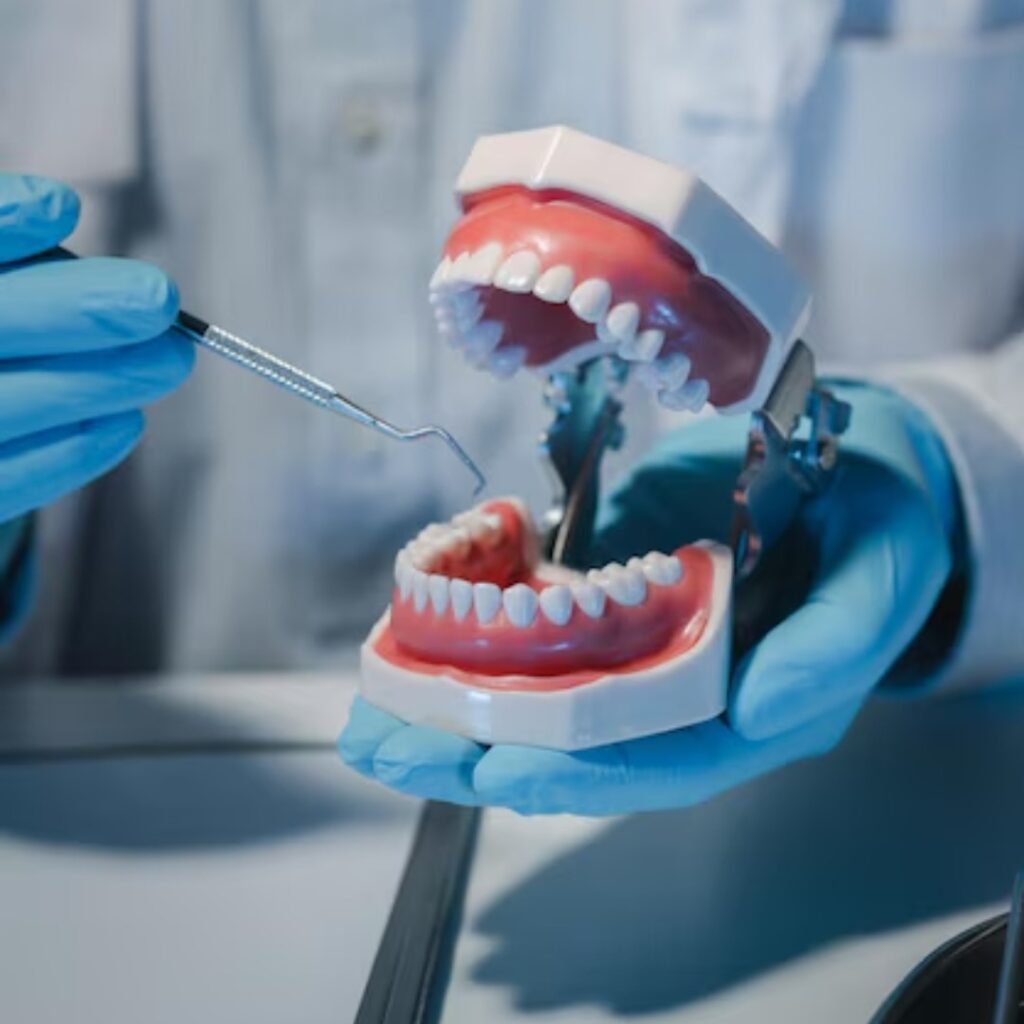
Guided Implant Surgery: Turning Plans into Reality
Once the treatment is planned digitally, Guided Implant Surgery ensures that the procedure is executed exactly as intended. Using a 3D-printed surgical guide created from the digital plan, dentists can place implants at the correct angle and depth with minimal margin for error.
Benefits of guided implant surgery include:
- Shorter surgery time
- Minimally invasive procedures
- Reduced post-operative discomfort
- Highly predictable results
By combining Digital Implant Planning, CBCT scans, and guided surgery, dental procedures become safer, faster, and more precise.
How 3D Treatment Planning Improves Patient Experience
Patients benefit from 3D dental planning in several ways:
- Better communication: Dentists can show patients exactly what will happen during the procedure.
- Informed decisions: Patients can see simulated outcomes and understand treatment steps.
- Comfort and safety: Guided surgeries reduce tissue damage and recovery time.
- Predictable outcomes: Digital planning ensures that implants, crowns, or braces are placed accurately.
At Esthetica Dental Clinic, every patient receives a customized 3D plan, ensuring confidence and clarity throughout the treatment process.
Who Can Benefit from 3D Dental Planning?
3D treatment planning in dentistry is beneficial for:
- Patients requiring dental implants
- Individuals with missing teeth or bone loss
- Those undergoing cosmetic dental treatments
- Complex restorative cases
- Orthodontic patients needing braces or clear aligners
Even routine dental procedures can benefit from 3D planning, as it improves accuracy and minimizes treatment risks.
Step-by-Step Process of 3D Dental Planning
- Initial Assessment: The dentist reviews your medical and dental history.
- 3D Scanning: CBCT scans and digital impressions are captured.
- Digital Planning: Using specialized software, the dentist designs a treatment plan.
- Patient Consultation: The dentist explains the plan and shows visual simulations.
- Guided Procedure: Surgical guides or digital instructions are used to execute the treatment precisely.
- Follow-up: Post-treatment scans and evaluations ensure accuracy and long-term success.
This process ensures that patients are informed, comfortable, and confident in their treatment.

Frequently Asked Questions (FAQs)
1. Is 3D treatment planning safe?
Yes. 3D treatment planning in dentistry uses low-dose imaging like CBCT scans, which are safe. It allows dentists to plan procedures accurately and minimize the risk of complications.
2. Does 3D planning make dental procedures more expensive?
There may be a slightly higher upfront cost, but 3D planning often saves money in the long run by reducing surgical time, preventing complications, and improving overall treatment outcomes.
3. How long does the planning and procedure take?
Most planning is completed in one or two appointments. Guided procedures are typically faster and less invasive than traditional methods, making treatment more efficient and comfortable.
Conclusion
The use of 3D treatment planning in dentistry, combined with Digital Implant Planning, CBCT Implant Planning, and Guided Implant Surgery, represents the future of modern dental care. This technology provides precise, safe, and predictable results while improving patient experience and satisfaction.
At Esthetica Dental Clinic, we use these advanced technologies to deliver the highest quality dental care. Every procedure is carefully planned and personalized to the patient’s needs. Whether it involves implants, orthodontics, or complex restorative work, 3D dental planning can transform your treatment experience and outcomes.
Investing in advanced 3D planning today ensures time-saving procedures, greater comfort, and long-term dental health benefits.
Explore related articles: https://www.estheticadentalchandigarh.com/3d-dental-treatment-planning-chandigarh/
Explore related articles:https://www.estheticadentalchandigarh.com/best-dental-clinic-in-mohali/
Explore related articles: https://www.estheticadentalchandigarh.com/dental-implants-cost-mohali/